Inquiry
Form loading...

2026 Top Carbon Steel Sheet Coil Types for Global Buyers

Buying Carbon Steel Sheet Coil in 2026 requires more than comparing prices on a spreadsheet. Global buyers must match each coil type with forming needs, surface expectations, strength levels, and delivery conditions. This guide examines hot-rolled, cold-rolled, pickled and oiled, galvanized, and other practical carbon steel options.

The differences become visible on the shop floor. Hot-rolled coil may show scale and wider thickness variation. Cold-rolled coil offers a cleaner surface and tighter dimensional control. Pickled and oiled material can reduce scale concerns, but oil protection is not permanent. Low-carbon grades suit stamping and fabrication. Higher-carbon grades may provide strength, yet they can demand stricter forming control.

Small details often decide the result. Check coil width, gauge tolerance, coil weight, inner diameter, and slit-edge quality. Review the mill test certificate carefully. Confirm chemical composition, yield strength, tensile strength, elongation, and inspection methods. A bright surface is not proof of reliable performance. Nor is a low quotation automatically economical.

Real purchasing experience also includes packaging and logistics. Outer wrapping can tear during port handling. Moisture may reach exposed edges. A well-packed coil still needs suitable storage and prompt inspection. Buyers should compare recognized standards, supplier production records, sample results, and claims procedures. Requirements differ across markets, and one certificate may not satisfy every customer or application.

This overview is useful, but it is not perfect. Material selection depends on actual drawings, equipment, climate, and risk tolerance. A buyer who ignores those variables may choose the wrong grade despite accurate paperwork. The strongest decision combines technical evidence, supplier transparency, and practical factory experience.

2026 Top Carbon Steel Sheet Coil Types for Global Buyers

Carbon Steel Sheet Coil: Definition, Composition, and Core Features

Carbon steel sheet coil is a continuous, coiled strip made mainly from iron and carbon. It is produced by rolling steel slabs into controlled thicknesses and widths. Depending on processing, the coil may be hot rolled or cold rolled.

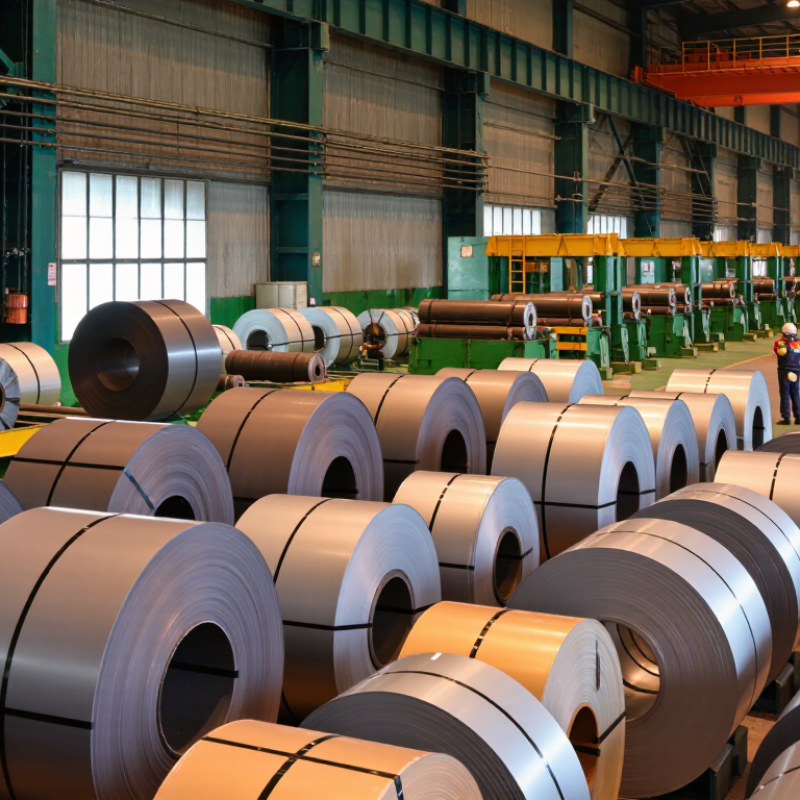
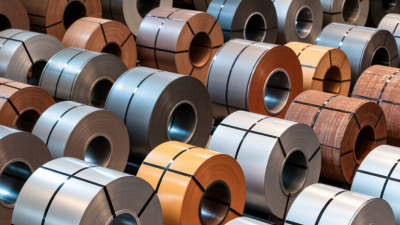
Hot rolled surfaces often show dark mill scale. Cold rolled coils usually offer smoother surfaces and tighter dimensional accuracy.

Its composition commonly includes carbon, manganese, silicon, sulfur, and phosphorus. Carbon content strongly affects hardness, strength, weldability, and forming performance.

Low-carbon grades are easier to bend and weld. Higher-carbon grades can provide greater strength, but they may crack during severe forming.

Small chemistry differences matter. Buyers should review the mill certificate, not rely on a general grade description.

Core features include reliable load-bearing capacity, flexible sizing, and efficient fabrication.

A typical inspection checks thickness, width, flatness, surface defects, coil weight, and mechanical properties.

For example, a fabricator may measure thickness at several points before cutting panels.

Corrosion resistance remains a limitation. Uncoated carbon steel can develop orange rust quickly in humid storage areas, especially where water collects between wraps.

Protective oil, dry packaging, and proper ventilation reduce this risk.

In practical purchasing, the cheapest coil is not always economical. A slightly better surface or tighter tolerance may reduce cutting waste and rework. Yet, specifications can still be imperfect when end-use conditions are unclear.

Main Types of Carbon Steel Sheet Coils for Global Buyers

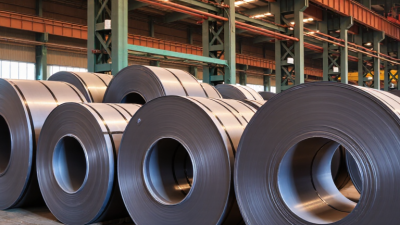
Carbon steel sheet coils serve different purposes, and their type affects forming, strength, surface quality, and cost. Hot-rolled carbon steel coils are produced at high temperatures. They suit structural parts, brackets, frames, and general fabrication. Their surfaces may show scale, so painting or pickling is often required.

Cold-rolled carbon steel coils offer tighter thickness control and smoother surfaces. They work well for furniture panels, electrical cabinets, and automotive components. Low-carbon grades usually provide better bending and drawing performance. Medium-carbon grades offer greater strength but can be harder to form. Galvanized carbon steel coils add zinc protection against moisture and corrosion. They are practical for roofing, ductwork, and outdoor enclosures. Not every application needs galvanized material. Over-specifying it can increase cost without improving performance.

Tips: Confirm grade, thickness, width, coil weight, edge condition, and surface finish before ordering. Ask for a mill test certificate and verify the applicable standard. Check whether the material needs oiling, slitting, or leveling. Experienced buyers also review packaging for sea transport, including waterproof wrapping and strong coil supports. A small mismatch in thickness can disrupt stamping lines. I have seen suitable steel rejected because the surface finish was overlooked. Selection is not only about strength. Local humidity, processing equipment, and final use matter too. Some specifications remain unclear until trial production begins.

Production Methods and Key Quality Standards

2026 Top Carbon Steel Sheet Coil Types for Global Buyers

Production routes shape performance long before a coil reaches the warehouse. In 2023, global crude steel output reached about 1.89 billion tonnes, according to World Steel Association data. Most carbon steel coils begin with ironmaking and steelmaking, using either blast furnace–basic oxygen furnace or electric arc furnace routes. Continuous casting creates slabs, which are reheated and hot rolled into controlled thicknesses. Hot-rolled coil suits structural parts and general fabrication. Pickling removes scale, while cold reduction, annealing, and temper rolling improve surface finish and dimensional accuracy.

Quality depends on more than chemistry. ASTM A1011 commonly covers hot-rolled carbon sheet, while ASTM A1008 addresses cold-rolled sheet. EN 10051 is widely referenced for continuously hot-rolled products. These standards define dimensions, mechanical properties, testing, and tolerances. Tensile testing under ISO 6892-1 can verify yield strength, tensile strength, and elongation. Mill certificates should also show heat number, carbon content, thickness tolerance, and inspection results.

Small details matter.

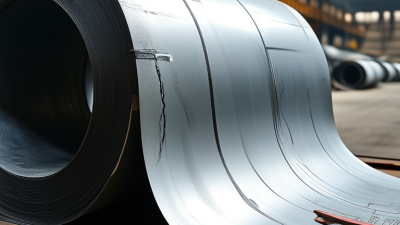
A 0.2-millimeter thickness error can affect stamping, welding, and final weight. Coil edges should be checked for cracks, burrs, and telescoping. Surface rust may be cosmetic, but pitting is not. The International Energy Agency notes that steelmaking remains a major industrial emissions source, making production route disclosure increasingly useful for buyers. Still, certificates are not perfect evidence; sampling can miss local defects. Independent inspection, traceability checks, and trial forming remain sensible, especially when specifications are unusually tight.

How to Select Sheet Coils for Different Industrial Applications

2026 Top Carbon Steel Sheet Coil Types for Global Buyers

How to Select Sheet Coils for Different Industrial Applications

Hot-rolled carbon steel coils suit structural frames, agricultural equipment, and heavy-duty machinery. They offer good strength and lower processing costs. Their rougher surface may not suit visible panels or precise forming. For bridges, platforms, and welded components, verify yield strength, tensile strength, thickness, and weldability before ordering.

Cold-rolled coils provide tighter thickness tolerances and smoother surfaces. They work well for appliance panels, vehicle parts, furniture, and precision enclosures. Deep-drawing applications need suitable elongation and forming performance. A coil can look excellent but still crack during stamping. Request mechanical test results, surface classifications, and agreed inspection standards, such as ASTM, EN, or JIS requirements.

Galvanized carbon steel coils are practical for roofing, ductwork, outdoor cabinets, and corrosion-exposed structures. Select coating mass according to humidity, salt exposure, and expected service life. Check coating adhesion, spangle appearance, edge quality, and oiling requirements. Packaging also matters. Moisture trapped between tightly wound coils can cause storage stains. Include desiccants, protected wrapping, and clear coil markings for long-distance shipping. Certificates should match heat numbers and actual dimensions. Third-party inspection can reduce uncertainty, but it cannot replace careful application review. A common mistake is choosing by price alone. I have seen small savings disappear through trimming loss, rejected surfaces, and delayed forming trials. Test a representative coil when the application has strict tolerances.

Trade, Packaging, and Inspection Considerations in 2026

In 2026, global buyers are comparing more than carbon steel sheet coil prices. Hot-rolled coils suit structural work and general fabrication. Cold-rolled coils offer smoother surfaces and tighter thickness control. Pickled and oiled coils can reduce scale before forming. Galvanized carbon steel coils support projects requiring improved corrosion resistance. The right type depends on forming, coating, welding, and end-use conditions.

Trade terms should clearly define weight, width, thickness, tolerances, payment, and delivery risk. Buyers should check the actual loading port, estimated sailing time, and import documentation requirements. Digital mill certificates and production records improve traceability. However, electronic files can contain missing heat numbers or inconsistent measurements. Review them against the purchase contract. Small gaps become expensive later.

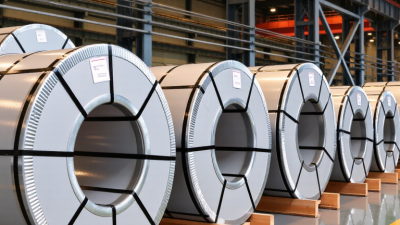
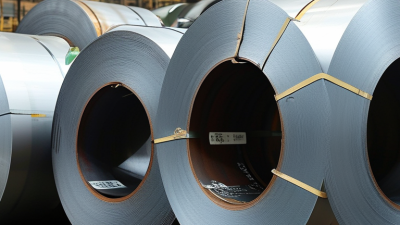
Packaging must survive lifting, seawater exposure, and repeated handling. Export coils often need strong steel straps, edge protection, waterproof paper, and a stable wooden or steel base. Confirm coil orientation before loading. Eye-to-side and eye-to-sky arrangements affect unloading safety. Do not trust appearance alone. Inspection should cover dimensions, coil weight, surface rust, edge damage, flatness, and mechanical properties. A practical check uses calibrated gauges and random sampling from different coils. Photographs help, but they are not proof. Some details remain easy to miss. A perfect checklist does not exist, especially when schedules change at the port. That is where experienced judgment matters.

2026 Top Carbon Steel Sheet Coil Types for Global Buyers - Trade, Packaging, and Inspection Considerations in 2026
Product Type Typical Grade or Standard Common Thickness Range Typical Width Range Main End Uses Trade and Customs Considerations Recommended Packaging Key Inspection Points Buyer Considerations for 2026
Hot-Rolled Commercial Steel Coil ASTM A1011 CS EN 10111 DD11 JIS G3131 SPHC 1.2–25.0 mm 900–2,000 mm General fabrication, structural components, machinery parts, welded products and service centers. Confirm the correct HS classification, product form, thickness and country of origin. Import duties, safeguard measures and anti-dumping rules can vary by destination. Waterproof paper, edge protectors, steel strapping and suitable export wrapping. Use corrosion protection for long sea voyages. Check thickness, width, coil weight, surface scale, edge condition, flatness, chemical composition and tensile properties against the agreed standard. Buyers should define tolerances, maximum coil weight, inner diameter, certificate requirements and whether mill-test data must be independently verified.
Hot-Rolled Pickled and Oiled Coil ASTM A1011 EN 10111 JIS G3131 1.5–8.0 mm 1,000–2,000 mm Automotive components, tubes, profiles, stamped parts and applications requiring a cleaner surface than as-rolled coil. Specify whether the material is supplied dry, lightly oiled or heavily oiled. Confirm oil compatibility with downstream painting, welding or forming processes. Moisture-resistant wrapping, corrosion-inhibiting paper or oil, robust strapping and protected coil eyes. Avoid trapped water inside packaging. Inspect pickling uniformity, residual scale, rust, pitting, oil coverage, surface defects, dimensions and mechanical properties. Useful where buyers want to reduce descaling operations. The required oil type and acceptable surface class should be written into the purchase specification.
Hot-Rolled Structural Steel Coil ASTM A36 ASTM A572 EN 10025 S235/S355 2.0–20.0 mm 1,000–2,000 mm Construction, bridges, frames, platforms, storage systems and heavy equipment. Verify grade designation, yield-strength class, applicable regional standard and any project-specific certification or traceability rules. Heavy-duty export wrapping, corrosion protection, edge and eye protection, and stable saddles or cradles suitable for lifting. Verify yield strength, tensile strength, elongation, impact requirements where applicable, dimensional tolerances, plate identification and traceability. For structural projects, purchase documents should state the governing design code, test temperature, delivery condition and required inspection hold points.
Cold-Rolled Commercial Steel Coil ASTM A1008 CS EN 10130 DC01 JIS G3141 SPCC 0.30–3.0 mm 800–1,850 mm Appliances, furniture, lighting products, general stamping and components requiring a smooth surface. Confirm whether customs documents describe the item as cold-rolled, non-coated, flat-rolled steel in coils and whether destination-specific measures apply. Anti-rust oil, waterproof paper, galvanized or polymer-coated wrapping, steel or PET strapping and reinforced coil eyes. Inspect surface finish, rust staining, oiling, shape, thickness profile, width, hardness, yield strength, tensile strength and elongation. Surface quality and formability are often more important than nominal price. Specify surface class, temper, roughness and allowable coil breaks.
Deep-Drawing and Extra-Deep-Drawing Coil ASTM A1008 DDS/EDDS EN 10130 DC04/DC05 JIS G3141 SPCD/SPCE 0.50–2.0 mm 900–1,850 mm Deep-drawn automotive parts, cookware, containers, housings and complex stamped components. Grade equivalence must be confirmed rather than assumed. Chemical limits and forming-performance requirements differ between standards. Clean, dry, rust-protected wrapping with strong edge protection. Packaging must prevent telescoping and coil distortion during transport. Test r-value or forming performance when required, along with yield strength, tensile strength, elongation, surface quality, flatness and thickness variation. Specify forming direction, lubrication, surface class, aging requirements and whether samples or first-article forming trials are needed before shipment.
Galvanized Steel Sheet Coil ASTM A653 EN 10346 DX51D–DX56D JIS G3302 SGCC 0.25–3.0 mm 800–1,850 mm Roofing, ductwork, HVAC parts, building panels, appliances and corrosion-resistant fabricated products. Declare base steel, zinc coating designation, surface treatment and coil form accurately. Coating mass may affect classification and compliance documentation. Waterproof paper, corrosion-inhibiting packaging, sealed wrapping, edge protection and careful ventilation to reduce wet-storage stain risk. Measure coating mass or thickness, inspect spangle and surface uniformity, check adhesion, dimensions, flatness, mechanical properties and wet-storage staining. Specify coating designation, surface finish, passivation or oiling, minimum zinc mass, allowable white rust and intended forming severity.
Electro-Galvanized Steel Coil ASTM A879 EN 10152 JIS G3313 0.40–2.0 mm 900–1,850 mm Automotive interiors, electrical cabinets, precision components, appliances and products requiring a uniform surface. Confirm coating type, coating mass, surface treatment and any restrictions for automotive or electrical applications in the destination market. Dry waterproof wrapping, anti-corrosion paper, edge protection and packaging that avoids scratches on the relatively thin coating. Inspect coating uniformity, adhesion, surface cleanliness, roughness, dimensions, flatness, mechanical properties and visible scratches or pinholes. Often selected for surface appearance and dimensional control. Define paintability, weldability and surface-treatment requirements before ordering.
Galvannealed Steel Coil ASTM A653 Type B EN 10346 DX51D–DX54D 0.50–2.0 mm 900–1,850 mm Automotive body parts, painted panels, structural sections and components requiring coating adhesion and paint performance. Distinguish galvannealed material from conventional hot-dip galvanized material in contracts and shipping documents because performance and appearance differ. Moisture-resistant packaging, anti-rust protection, edge guards and controlled handling to limit powdering and surface damage. Check iron-zinc coating characteristics, powdering, coating adhesion, surface cleanliness, paintability, dimensions and mechanical properties. Particularly suitable when subsequent painting is important. Specify alloying condition, surface quality and acceptable powdering level.
Galvalume-Type Aluminum-Zinc Coated Coil ASTM A792 EN 10346 S250GD–S550GD 0.25–2.0 mm 800–1,850 mm Roofing, wall cladding, agricultural buildings, heat-resistant applications and long-life exposed components. Confirm aluminum-zinc coating designation, substrate grade, coating mass and destination-country rules for construction products. Dry, waterproof export wrapping with edge protection and corrosion-inhibiting paper. Avoid contact with wet timber, chemicals and dissimilar metals. Inspect coating mass, surface uniformity, adhesion, edge quality, flatness, dimensions, reflectivity where specified and corrosion-related defects. Performance depends strongly on environment and installation design. Buyers should assess coastal exposure, cut-edge protection and compatibility with fasteners.
Weathering Steel Coil ASTM A606 EN 10025-5 JIS G3114 1.5–12.0 mm 1,000–2,000 mm Bridges, architectural façades, rail infrastructure, outdoor structures and applications designed to form a protective patina. Check environmental suitability and project approval. Weathering performance is not guaranteed in continuously wet, marine or poorly ventilated conditions. Dry packaging with corrosion protection that does not contaminate the surface. Separate from materials that may cause galvanic or chemical contamination. Verify atmospheric-corrosion alloying elements, mechanical properties, dimensions, surface condition, heat or cast traceability and weldability requirements. Specify exposure environment, drainage design and appearance expectations. Patina development requires suitable wet-dry atmospheric cycles.
Electrical Steel Coil IEC 60404-8-3 EN 10106 ASTM A677 0.23–0.65 mm 800–1,250 mm Transformer cores, motors, generators and other magnetic circuit applications. Electrical steel is specified by magnetic grade and test method, not only by thickness. Confirm applicable energy-efficiency and import documentation requirements. Clean, dry, moisture-resistant packaging with careful edge protection. Avoid impact, bending and contamination that can damage magnetic performance. Test specific total loss, magnetic induction, thickness, burr height, insulation coating, flatness, punchability and lamination factor where applicable. Energy-efficiency requirements continue to influence grade selection. Require certified magnetic test results from representative production lots.
Oiled or Corrosion-Protected Carbon Steel Coil Grade-Specific ASTM/EN/JIS Basis 0.40–12.0 mm 800–2,000 mm Long-distance export, inventory storage, tube production, fabrication and applications where temporary corrosion protection is required. State whether oil is part of the product specification or only a shipping preservative. Safety data and disposal requirements may apply to some oils. Use compatible rust-preventive oil, waterproof paper, sealed wrapping, protected coil eyes and desiccants where suitable for the logistics route. Check oil coverage, corrosion condition, packaging integrity, moisture ingress, surface cleanliness after de-oiling and compatibility with downstream processes. Choose protection based on voyage duration, storage climate, warehouse conditions and the time allowed before fabrication or coating.