For global buyers, selecting the right Coil Carbon Steel is more than comparing price per ton. Thickness, carbon content, surface condition, width tolerance, and delivery form can change a project’s result. A construction panel may need structural strength, while an automotive component may require clean forming and consistent elongation. The coil must match the application.
Edwin Basson, Director General of worldsteel, has emphasized, “Steel is a permanent material.” This principle matters when buyers evaluate durability, recyclability, and long-term value. Yet permanence does not mean every coil performs equally. Low-carbon coils generally support bending and fabrication. Medium-carbon grades offer greater strength, but they can demand stricter forming controls. High-carbon products provide hardness and wear resistance, although they may be less forgiving during processing.
Small differences matter.
This guide examines ten widely purchased types of carbon steel coil for international markets. It considers hot-rolled, cold-rolled, pickled and oiled, galvanized, structural, drawing-quality, and higher-carbon options. Each type serves a different balance of strength, surface quality, weldability, and cost. Buyers should also review mill certificates, chemical composition, mechanical test results, coating details, and packaging practices. Those documents reveal more than a product label.
Some classifications overlap across suppliers and regions. That is an important limitation. Names alone can mislead. A “commercial” grade from one mill may not equal another mill’s specification. Careful buyers confirm ASTM, EN, JIS, or other agreed standards before ordering. In practice, the best coil is not always the strongest. It is the one that performs reliably through cutting, forming, welding, transport, and final use.
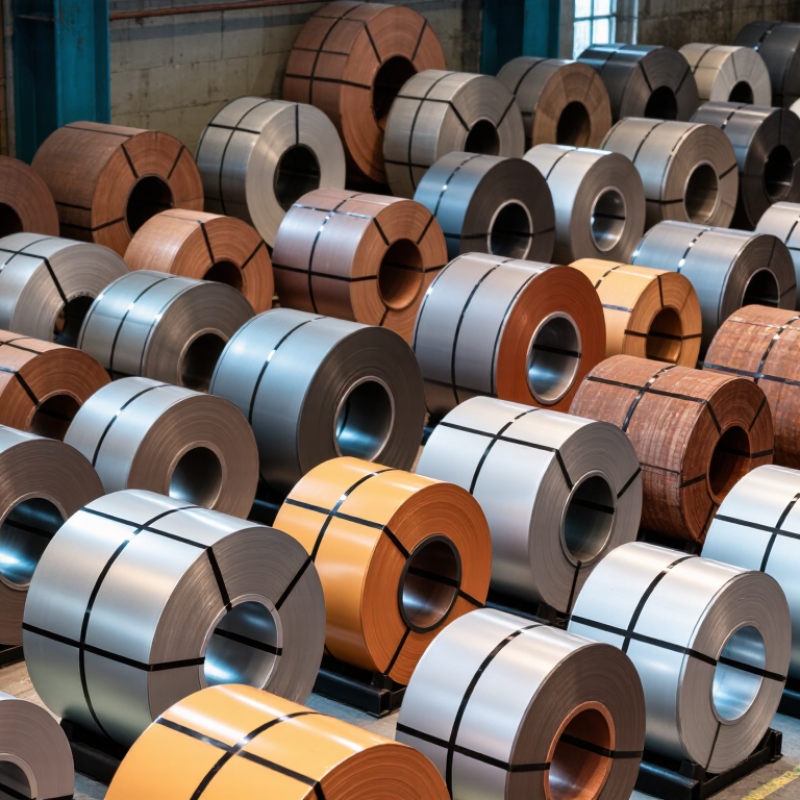
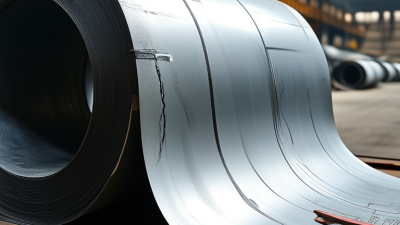
Carbon steel coil is rolled steel supplied in continuous strips. Its performance depends on chemistry, processing, surface condition, and final dimensions.
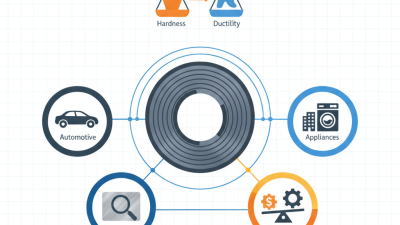
Buyers commonly classify coils as low-carbon, medium-carbon, or high-carbon steel. Low-carbon grades offer easy forming and welding. Medium-carbon grades provide better strength. High-carbon grades deliver hardness but require stricter processing control.
Other useful classifications include hot-rolled, cold-rolled, galvanized, pickled and oiled, annealed, full-hard, drawing-quality, structural, and electrical-use coils. These labels are not interchangeable.
Hot-rolled coil often has a rougher surface and wider thickness tolerance. Cold-rolled coil usually offers tighter dimensions and a cleaner finish.
Galvanized coil adds zinc protection against corrosion.
Standards such as chemical composition, tensile strength, yield strength, elongation, coating mass, and dimensional tolerance should appear clearly in the inspection documents.
Details matter.
Tips:
Confirm the applicable national or international standard before ordering. Compare carbon content, coil weight, width, thickness, edge condition, surface quality, and mechanical test results. Ask for mill test certificates and independent inspection when the application is critical. Storage also matters; moisture trapped between wraps can create staining or early corrosion.
A small mismatch in grade may cause cracking during stamping. This is often overlooked. Classification systems can vary between markets, so translating a grade name directly may create an expensive mistake. Always verify the actual requirements with an experienced materials engineer.
Carbon steel coil selection depends on grade, forming behavior, and manufacturing route. World Steel Association’s World Steel in Figures 2024 reports 1,892.2 million tonnes of crude steel production in 2023. That scale makes grade discipline essential for global buyers. Hot-rolled commercial quality coil suits brackets, frames, and general fabrication. Pickled-and-oiled coil offers a cleaner surface before painting. Cold-rolled drawing-quality coil supports shallow forming and tighter gauges. Extra-deep-drawing coil handles doors, panels, and complex bends. Structural coil, such as S235 or A36 equivalents, targets load-bearing applications.
High-strength low-alloy coil reduces weight while retaining useful weldability. Weathering steel develops a protective oxide layer in suitable outdoor conditions. Abrasion-resistant coil serves chutes, bins, and mining components. Galvanized carbon steel coil adds zinc protection after forming, although coating thickness affects welding and bending. Normalized coil improves consistency through controlled heating and cooling. Thermomechanically controlled-rolled coil combines refined grain structure with high strength. Ten types, but not ten identical purchasing risks.
The OECD’s 2024 steel capacity analysis places global crude steelmaking capacity above 2.4 billion tonnes. Buyers should request mill certificates, heat numbers, tensile results, yield strength, elongation, and dimensional tolerances. ASTM, EN, and JIS designations are not automatically interchangeable. A practical inspection checks edge cracking, coil telescoping, rust staining, and surface waviness. I have found that “high strength” descriptions can hide poor forming performance. Chemistry alone is insufficient. Ask for the rolling schedule and cooling method when consistency matters. Mistakes remain possible, especially when equivalent grades are treated as identical.
The specifications below are representative industry classifications. Exact chemical limits, dimensions, mechanical properties, and availability depend on the applicable standard, product form, and mill capability.
| No. | Carbon Steel Coil Type | Representative Grade or Standard | Manufacturing Method | Typical Carbon Level | Common Thickness Range | Typical Surface or Finish | Common Applications |
|---|---|---|---|---|---|---|---|
| 1 | Hot-Rolled Commercial Quality Coil | ASTM A1011 CS Type B; SAE 1006 or SAE 1008 | Slab reheating followed by hot rolling above the steel recrystallization temperature; supplied as a hot-rolled coil. | Generally low carbon; SAE 1006 contains approximately 0.06% maximum carbon, while SAE 1008 contains approximately 0.08% maximum carbon. | Approximately 1.2–12.7 mm | Mill scale, rough hot-rolled surface; may also be pickled and oiled. | General fabrication, brackets, base plates, agricultural components, formed parts, and non-critical structural products. |
| 2 | Hot-Rolled Structural Coil | EN 10025-2 S235JR; ASTM A36-type structural material | Hot rolling with controlled chemical composition and mechanical-property requirements for structural use. | Typically low carbon; the maximum value for S235JR is commonly specified around 0.17% for thinner product, subject to the standard’s thickness and deoxidation requirements. | Approximately 2–12 mm | As-rolled mill scale or descaled/pickled surface. | Frames, supports, platforms, construction components, machinery bases, and general welded structures. |
| 3 | Hot-Rolled HSLA Coil | ASTM A572 Grade 50; EN 10149-2 S355MC | Hot rolling with microalloying elements such as niobium, vanadium, or titanium to increase strength without high carbon content. | Usually low carbon; ASTM A572 Grade 50 permits up to approximately 0.23% carbon, depending on product thickness and specification. | Approximately 1.5–12.5 mm | Hot-rolled or pickled and oiled; controlled-rolled options may be available. | Transport equipment, structural frames, lifting equipment, chassis parts, bridges, and weight-saving fabrications. |
| 4 | Pickled and Oiled Hot-Rolled Coil | SAE 1008; ASTM A1011 CS or SS grades | Hot rolling followed by hydrochloric-acid pickling to remove mill scale, then application of a temporary corrosion-protection oil. | Typically approximately 0.05–0.20%, depending on the selected commercial or structural grade. | Approximately 1.5–6.0 mm | Clean, descaled surface with a light oil film; suitable for subsequent forming, coating, or painting. | Automotive components, tubes, frames, stamped parts, welded assemblies, and products requiring a cleaner surface than standard hot-rolled coil. |
| 5 | Cold-Rolled Commercial Quality Coil | ASTM A1008 CS Type B; EN 10130 DC01 | Hot-rolled feedstock is pickled, cold reduced at room temperature, annealed, and commonly skin-passed for improved flatness and surface quality. | Low carbon; ASTM A1008 CS Type B commonly permits up to approximately 0.15% carbon, while DC01 is also a low-carbon forming grade. | Approximately 0.30–3.0 mm | Bright, smooth, and relatively uniform cold-rolled surface; may be supplied oiled. | Electrical cabinets, furniture, appliances, light fabrication, precision bending, and painted or coated sheet products. |
| 6 | Cold-Rolled Deep-Drawing Coil | ASTM A1008 DDS or EDDS; EN 10130 DC03 or DC04 | Cold reduction followed by recrystallization annealing and skin passing; chemistry and processing are optimized for high formability. | Very low carbon; often approximately 0.08% maximum for deep-drawing grades, with exact limits controlled by the applicable standard. | Approximately 0.40–2.5 mm | Smooth, clean cold-rolled surface, normally supplied with protective oil. | Deep-drawn housings, automotive body panels, sinks, appliance parts, covers, and complex pressed components. |
| 7 | Hot-Dip Galvanized Carbon Steel Coil | ASTM A653 CS or HSLA; EN 10346 DX51D or S350GD | Cold-rolled or hot-rolled steel is continuously cleaned, heated, passed through a molten zinc bath, and cooled with controlled coating thickness. | Base steel is commonly low carbon; the exact carbon limit depends on the selected commercial, forming, or HSLA grade. | Approximately 0.25–3.0 mm | Zinc-coated surface with regular or minimized spangle options; may be passivated, oiled, or chemically treated. | Roofing, wall cladding, HVAC ductwork, building components, guardrails, automotive parts, and outdoor fabricated products. |
| 8 | Galvannealed Carbon Steel Coil | ASTM A653 galvannealed CS or structural grades; EN 10346 DX51D+ZF | Continuous hot-dip galvanizing followed by controlled reheating so that iron diffuses into the zinc coating and forms a zinc-iron alloy layer. | Generally low carbon; the base-steel chemistry varies according to forming, structural, or automotive requirements. | Approximately 0.40–2.5 mm | Matte gray zinc-iron alloy coating with good paint adhesion and weldability. | Automotive body panels, painted enclosures, appliance parts, electrical cabinets, and components requiring a paint-ready corrosion-resistant surface. |
| 9 | Medium-Carbon Hot-Rolled Coil | SAE 1035 or SAE 1045; EN 10083 C35 or C45 | Hot rolling with higher carbon content than commercial-quality coil; may be supplied for later machining, forging, or heat treatment. | Approximately 0.32–0.50% carbon, depending on the grade; SAE 1045 and C45 are commonly near 0.45% carbon. | Approximately 2–12 mm | As-rolled mill scale or pickled and oiled, depending on the required downstream process. | Shafts, pins, gears, axles, machinery parts, forged components, and applications requiring higher strength after heat treatment. |
| 10 | Line-Pipe Grade Hot-Rolled Coil | API 5L X42, X52, or X60 | Thermomechanically controlled hot rolling or controlled rolling, followed by forming and welding in downstream pipe production. | Low carbon with controlled alloying; API 5L product chemistry varies by grade and delivery condition, with carbon limits commonly below approximately 0.30%. | Approximately 3–16 mm for many pipe-feedstock applications | Hot-rolled, pickled and oiled, or processed to meet pipe-forming and welding requirements. | Longitudinally welded line pipe, oil and gas transmission pipe, water pipelines, energy infrastructure, and structural tubular products. |
Low-carbon hot-rolled coil offers good strength, weldability, and affordable processing. It suits frames, brackets, pipes, and general fabrication.
Pickled and oiled coil removes surface scale and adds temporary corrosion protection. It supports automotive parts, machinery panels, and formed components.
Cold-rolled low-carbon coil has tighter thickness control and a smoother surface. Manufacturers use it for appliance panels, furniture, and precision assemblies.
Drawing-quality coil provides improved ductility for deep forming. It is common in stamped covers and fuel-system parts.
Galvanized carbon steel coil combines a zinc coating with a steel core. It serves roofing, ducts, agricultural equipment, and outdoor enclosures.
Medium-carbon coil provides higher strength than low-carbon grades. It works well for axles, shafts, rails, and heavy-duty components.
High-carbon coil delivers hardness and wear resistance after heat treatment. Typical applications include blades, saw strips, and industrial springs.
Spring steel coil is designed for repeated flexing and controlled resilience. Its performance depends strongly on heat treatment and surface quality.
Structural carbon steel coil supports beams, platforms, and transport equipment. Engineers select it for predictable yield strength and weldability.
HSLA coil adds alloying elements for better strength at lower weight. It benefits truck frames, bridges, and lifting equipment.
Real orders are messier. A coil may meet its grade but fail a forming trial. Buyers should check mill certificates, thickness tolerance, coil weight, edge condition, and surface defects. Humidity during shipping also deserves attention. That detail is often underestimated. Final selection should match forming depth, welding method, service temperature, and required corrosion protection.
Global buyers compare more than grade names. They examine hot-rolled, cold-rolled, pickled and oiled, galvanized, structural, deep-drawing, and high-strength coils. Each type serves a different production need. Thickness tolerance, width accuracy, surface finish, and coil weight often affect real costs more than the quoted price.
Quality checks should match the end use. Buyers should review chemical composition, yield strength, tensile strength, elongation, and hardness. A complete mill test certificate supports traceability, but it cannot replace independent inspection. Sampling the coil edge may reveal laminations, rust staining, or uneven trimming. Standards also require careful comparison because similar grades can have different testing rules. Supplier capability matters equally. Ask for production records, inspection procedures, packing photographs, loading details, and previous export experience. I have seen attractive offers fail because the supplier could not control coil shape or provide consistent documents.
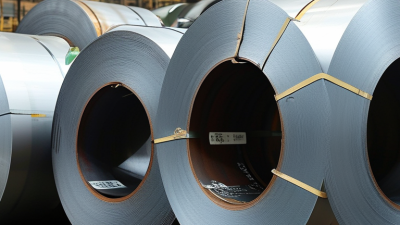
Tips: Request a trial coil before placing a large order. Confirm the applicable standard in writing. Check whether tolerances cover your cutting and forming process. Inspect packaging for waterproof paper, steel straps, and protected coil eyes. Do not assume a clean surface means stable mechanical properties. Small gaps in communication can become expensive production problems.
Purchasing Factors for Selecting the Right Carbon Steel Coil
Global buyers should select carbon steel coil by application, not price alone. The World Steel Association reported approximately 1.89 billion tonnes of crude steel production in 2023, showing the market’s enormous scale and grade diversity. Buyers must confirm whether hot-rolled, cold-rolled, pickled-and-oiled, galvanized, or annealed coil fits the process.
Start with the required yield strength, tensile strength, elongation, thickness, width, and dimensional tolerance. A stamping line may need higher elongation, while structural fabrication often prioritizes strength and weldability. Check carbon, manganese, sulfur, and phosphorus limits on the mill test certificate. Small chemistry changes matter. They can affect forming cracks or weld performance.
Surface quality deserves close attention. Ask for defect limits, edge condition, rust protection, oiling level, and acceptable coil weight. ASTM and ISO specifications provide useful control points, but local standards may differ. Confirm the exact edition before ordering. Traceability is equally important. Heat numbers, test results, inspection records, and packing photographs reduce disputes during delivery. The World Steel Association’s 2024 sustainability reporting also highlights rising pressure for emissions transparency, so buyers may request production-route and carbon-intensity data. Price comparisons can be misleading without freight, yield loss, storage, and processing costs. No checklist is perfect. Real production trials still expose assumptions that paperwork cannot.