How to Choose the Right Carbon Steel Sheet Coil for Your Project?
Choosing the right Carbon Steel Sheet Coil for your project is essential. Carbon steel is among the most widely used materials in construction and manufacturing. According to a 2021 report by Grand View Research, the carbon steel market was valued at over $167 billion, highlighting its significance in various industries.
When selecting a Carbon Steel Sheet Coil, consider factors such as thickness, width, and grade. The American Iron and Steel Institute (AISI) provides standards for different grades. These guidelines can help you determine what suits your needs best. Yet, many users overlook the importance of precise specifications, leading to project delays.
Experience shows that even minor miscalculations can result in wasted materials and increased costs. It's essential to reflect on past projects to avoid repeating mistakes. Partnering with a knowledgeable supplier can mitigate potential issues. Their expertise ensures that you choose the right Carbon Steel Sheet Coil for durability and performance.
Factors to Consider When Selecting Carbon Steel Sheet Coils
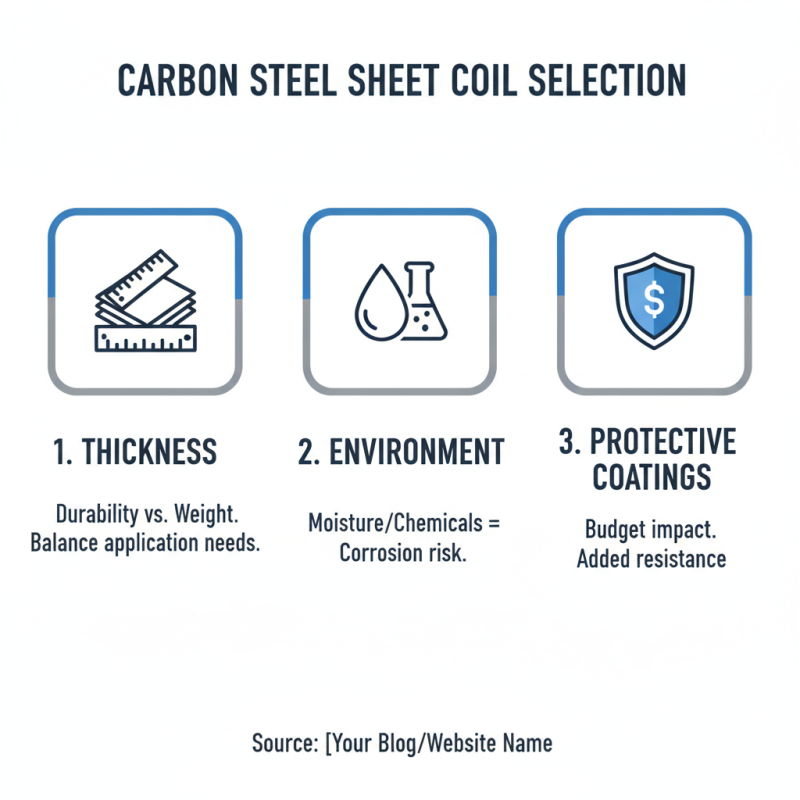
When selecting carbon steel sheet coils for your project, several factors demand attention. Understanding thickness is essential. Thicker sheets offer greater durability but are heavier. A careful balance is necessary based on application. Consider the environment in which the steel will be used. Exposure to moisture or chemicals may lead to corrosion. This could necessitate additional protective coatings, impacting your budget.
Another key aspect is the alloy content of the steel. Higher carbon content typically results in increased strength, yet can reduce ductility. This may affect how well the material can be formed or welded. Always think about the future impacts of your choice. Selecting the wrong type can lead to unexpected failures, requiring costly adaptations down the line.
Cost does not always equate to quality. Assessing suppliers for their reliability can be challenging. Always seek references or testimonials. A lower price might indicate inferior quality or service. Balancing budget constraints with the need for longevity is crucial. In the end, making an informed choice will save time and resources. Prospective projects may evolve, and so should your selection process.
Understanding the Different Grades of Carbon Steel Sheets
When choosing carbon steel sheet coils, understanding the different grades is crucial. Carbon steel can vary significantly in terms of strength, ductility, and hardness. The most common grades are categorized based on their carbon content: low, medium, and high carbon steel. Each grade has distinct properties that suit different applications. For instance, low carbon steel is easier to weld and form, ideal for automotive and structural applications.
Tips: Always consider the specific requirements of your project. Evaluate the environment in which the steel will be used. Will it face extreme conditions or require flexibility?
Medium carbon steel offers a balance of strength and ductility. It is commonly used in the manufacturing of gears and shafts. High carbon steel, while very strong, is less ductile. It’s ideal for tools and blades. Always consult technical specifications to ensure the selected grade meets your needs.
Tips: Check the thickness and dimensions before purchasing. Sometimes, the right thickness can make all the difference in performance. If unsure, seek expert advice to avoid costly mistakes. Understanding these nuances can enhance your project’s outcome significantly.
How to Choose the Right Carbon Steel Sheet Coil for Your Project?
| Grade |
Composition (%) |
Yield Strength (MPa) |
Tensile Strength (MPa) |
Applications |
| A36 |
C: 0.26, Mn: 0.70-0.90, P: ≤0.04, S: ≤0.05 |
250 |
400-550 |
Construction, Bridges, Heavy Equipment |
| A1011 |
C: 0.14-0.24, Mn: 0.50-0.70 |
250 |
400-500 |
Automotive, Structural Components |
| A572 |
C: 0.23, Mn: 1.35, P: ≤0.04, S: ≤0.05 |
345 |
450-620 |
Bridges, Structural Applications |
| S235JR |
C: 0.17-0.20, Mn: 0.40-0.70 |
235 |
340-470 |
General Construction, Machinery |
Assessing the Thickness and Width Requirements for Your Project
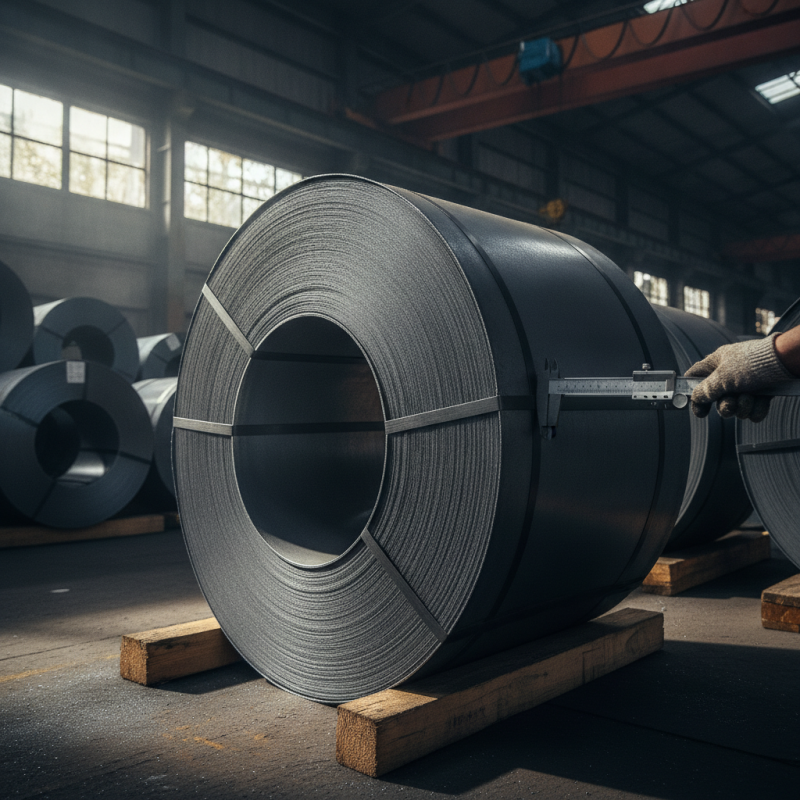
When selecting carbon steel sheet coils for your project, assessing thickness and width is critical. The right thickness can significantly influence the material's durability and performance. Most projects require sheets ranging from 0.5 mm to 20 mm. Projects needing weight reduction, like automotive components, often use thinner sheets. A report from the Steel Manufacturers Association shows that thinner sheets have gained a 20% market share due to their cost-effectiveness and lighter weight.
Width is equally important. Standard widths for carbon steel coils are typically 1,000 mm to 2,000 mm. However, specialized applications may need custom widths. For example, applications requiring higher tensile strength may benefit from narrower sheets to enhance strength through processing techniques. Experts suggest that always evaluate the project's specific demands before finalizing dimensions.
Tip: Consider the project’s environment. Corrosive settings may require thicker sheets for added protection. Each project is unique; invest time in analysis. You might find that a non-standard size could save costs or enhance performance, but these choices come with their own risks. Understanding the technical specifications is essential to make informed decisions.
Evaluating the Finish Options Available for Carbon Steel Sheets
When selecting the right carbon steel sheet coil for your project, evaluating the finish options is crucial. Carbon steel sheets come with various finishes, including hot-rolled, cold-rolled, and galvanized. Each finish has distinct properties that influence performance and aesthetics. Reports indicate that nearly 30% of manufacturing defects relate to inappropriate finish choices.
Hot-rolled steel is less expensive and easier to handle. However, it may have a rough surface, making it unsuitable for certain applications. Cold-rolled steel offers a smoother finish and better dimensional accuracy. Industry data suggests that cold-rolled sheets may improve longevity and reduce maintenance needs by up to 20%. Galvanized options, coated with zinc, enhance rust resistance, vital for prolonged exposure to moisture.
Choosing the right finish involves assessing the project's specific requirements. Consider factors such as environmental conditions, strength needs, and visual appeal. A finish that enhances corrosion resistance might be critical for exterior projects. Yet, aesthetic quality cannot be overlooked. In some instances, a smoother finish is preferred, but might incur a higher cost, pushing the budget. Balancing these factors is essential for a successful outcome.
Comparison of Different Carbon Steel Sheet Finishes Available for Projects
Determining Supplier Reliability and Material Certification Standards
Choosing the right carbon steel sheet coil requires careful evaluation of supplier reliability. Reliable suppliers should provide clear material certification standards. This ensures the coil meets your project requirements. Search for suppliers who are transparent in their practices. This builds trust and reflects their commitment to quality.
Tips: Always ask for certifications. Check if the materials align with industry standards, such as ASTM or ISO. This will help avoid costly mistakes.
Consider the supplier's experience in the field. Newer companies may offer lower prices, but established suppliers bring reliability. Look for customer reviews and case studies. This provides insight into their service quality.
Tips: Visit suppliers if possible. This helps in assessing their facilities and operations. Trust your instincts; if something feels off, dig deeper. Sometimes, intuition is just as important as data. Prioritize suppliers that are willing to answer your questions thoroughly.