How to Source Carbon Steel Floor Coils for Your Business?
In today's competitive manufacturing landscape, sourcing Carbon Steel Floor Coils effectively is crucial for businesses. According to a report from the World Steel Association, the demand for carbon steel products has seen a steady growth of approximately 3% annually. As companies strive to improve production efficiency and reduce costs, the quality of sourced materials plays a pivotal role.
Industry expert, Dr. Emily Huang, notes, "The integrity of Carbon Steel Floor Coils directly influences the overall production output." This emphasizes the importance of selecting coils that not only meet specifications but also ensure durability and performance. Businesses must consider factors such as supplier reliability, material grades, and price fluctuations.
Navigating the sourcing process requires a combination of market knowledge and strategic relationships. Companies often face challenges like inconsistent quality and supply chain disruptions. Understanding these pitfalls is essential for making informed choices. Fostering partnerships with trusted suppliers can mitigate risks and enhance material quality, paving the way for long-term business success with Carbon Steel Floor Coils.
Understanding Carbon Steel Floor Coils: Properties and Specifications
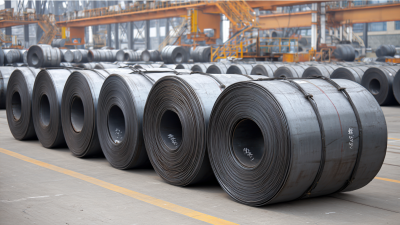
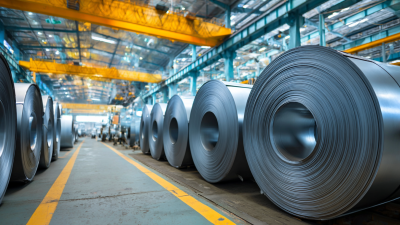
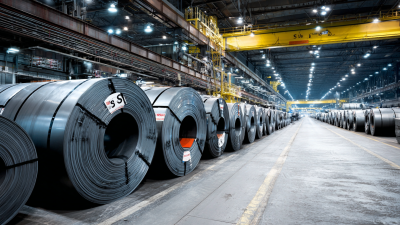
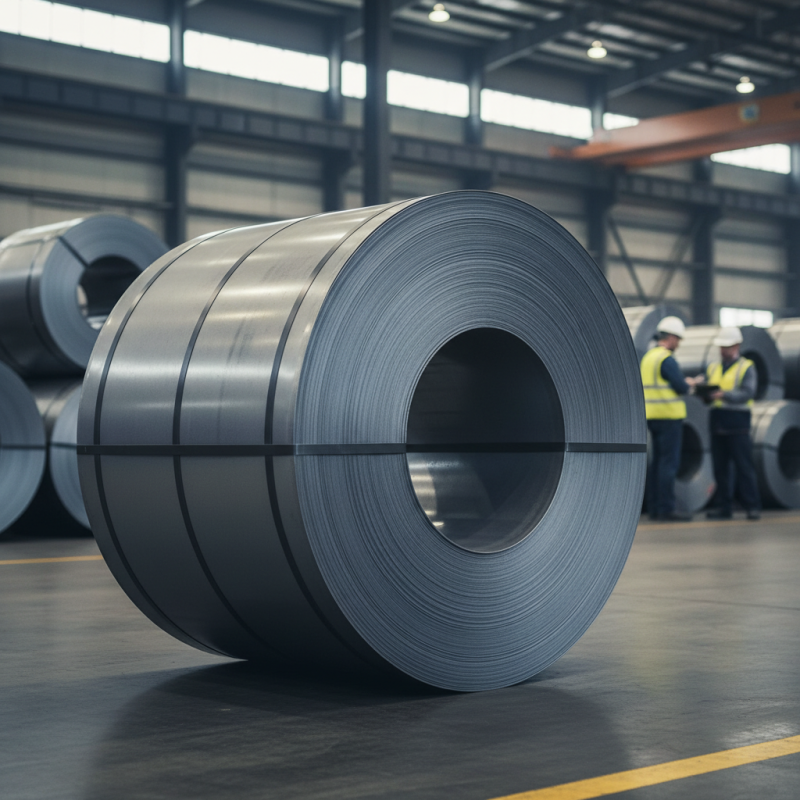
Carbon steel floor coils are essential for various industrial applications. They boast unique properties that contribute to their popularity. These coils are made primarily of iron, with a carbon content that typically ranges from 0.05% to 2%. This composition provides them with strength and durability, making them ideal for structural uses.
A notable feature of carbon steel floor coils is their ability to withstand heavy loads. Additionally, their resistance to deformation is crucial in construction projects. Many industries also appreciate their versatility; they can be used in manufacturing, automotive, and general fabrication processes. However, they are prone to corrosion if not properly treated. Regular maintenance and protective coatings can enhance their lifespan significantly.
When sourcing these coils, it is vital to verify their specifications. Understanding thickness, width, and surface finish can greatly affect your project’s outcome. It’s important to consult with suppliers to ensure you receive quality material. Explore various options, and don’t hesitate to reassess your requirements as needed, aligning them with the best coil properties for your applications.
Top Suppliers of Carbon Steel Floor Coils in the Market
When sourcing carbon steel floor coils, identifying reliable suppliers is crucial. Numerous options exist in the market, but choosing the right one requires careful consideration. Quality assurance is a key factor. Not all suppliers meet the same standards. Researching the supplier's background helps gauge their reliability.
Many suppliers offer carbon steel with different thicknesses and coatings. Understanding your specific requirements is essential. Some suppliers focus on large-scale production, while others cater to niche markets. Examining their track record provides insights into their expertise. Ask for samples to evaluate the material’s properties.
It's important to assess logistics as well. Delivery times can vary significantly among suppliers. Evaluate their supply chain capabilities. Explore customer reviews and testimonials for additional insights. Sometimes, suppliers may not deliver as promised. This unpredictability can impact your business operations. By weighing these factors, you can make an informed decision for sourcing carbon steel floor coils effectively.
Carbon Steel Floor Coils Suppliers Market Overview
Evaluating Pricing Trends for Carbon Steel Floor Coils in 2023
In 2023, the pricing trends for carbon steel floor coils indicate notable fluctuations. According to the World Steel Association, the average price per ton rose by approximately 15% in the first half of the year compared to 2022. This increase can be attributed to rising input costs, particularly for raw materials like iron ore and scrap steel.
Market analysts suggest that demand from the construction and automotive sectors has played a crucial role in shaping these price dynamics. A recent report from Statista highlights that construction projects surged by 6% in 2023, further driving the demand for carbon steel floor coils. Some experts express concerns over potential price stabilization later in the year, indicating that trade policies and geopolitical tensions may continue to impact availability.
The challenge for businesses lies in navigating these evolving market conditions. Regularly reviewing market data is essential. A proactive approach could involve establishing relationships with suppliers who provide up-to-date pricing information. The focus should remain on balancing cost with quality, ensuring that procurement strategies align with both current and future market trends. As trends shift, businesses must adapt quickly, weighing the implications of price changes on their overall operational strategies.
Quality Control Measures for Sourcing Carbon Steel Floor Coils
Quality control is crucial when sourcing carbon steel floor coils. The integrity of your materials directly affects the durability of your products. A recent industry report noted that up to 30% of steel products fail quality tests. This statistic highlights the need for diligent sourcing practices.
Engaging with reputable suppliers is a vital step. Look for those with ISO certifications and a proven track record. Ensure they adhere to ASTM standards. Regular audits of suppliers can reveal inconsistencies in material quality, reducing risks in production. Test reports should always accompany shipments. Verify tensile strength and corrosion resistance to ensure compliance.
Implementing in-house inspections can also add another layer of security. Utilize tools such as ultrasonic thickness gauges and visual inspection protocols. Even with due diligence, discrepancies may arise. For instance, variations in coil thickness can lead to production issues. Reflect on these challenges to refine your sourcing strategy continuously. It can lead to improved outcomes in the long run.
Sustainability Practices in the Carbon Steel Coil Industry
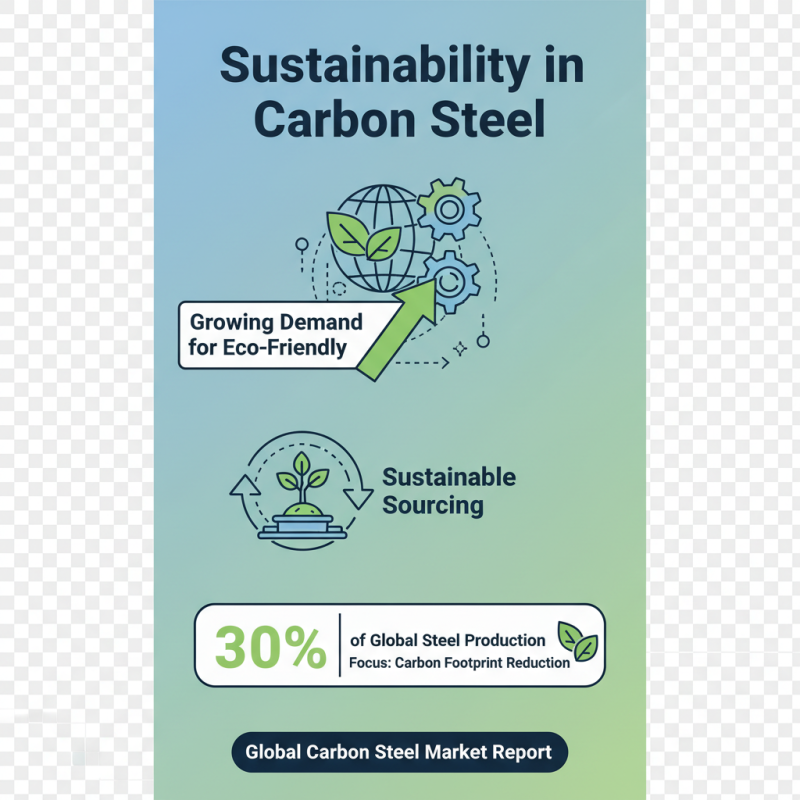
Sustainability is becoming essential in the carbon steel coil industry. As businesses emphasize eco-friendly practices, the demand for sustainable sourcing has increased. The Global Carbon Steel Market Report indicated that over 30% of steel production now focuses on reducing carbon footprints.
Recycling is a key element in this shift. Steel can be recycled endlessly without loss of quality. In 2020, around 85% of steel scraps were recycled, significantly decreasing waste. This circular economy model aids in lowering raw material consumption while minimizing energy usage.
However, challenges persist. Many producers still rely on traditional methods that emit high levels of carbon. Transitioning to greener practices requires investment in technology and training. As the industry evolves, finding reliable suppliers committed to sustainability becomes crucial. This focus on sourcing can drive the market towards greener alternatives, but it's essential to recognize the ongoing need for improvement in sustainability practices.