What is Hot Rolled Carbon Steel Coil and Its Applications?
Hot Rolled Carbon Steel Coil is an essential material in various industries. It offers versatility and strength, making it suitable for numerous applications. This type of carbon steel coil is produced through a process that involves rolling the steel at high temperatures.
The heating process allows for easier shaping and manipulation of the steel. It results in a product that has a uniform thickness and improved properties. Industries like construction, automotive, and manufacturing heavily rely on Carbon Steel Coil Hot Rolled for creating structural components and machinery parts.
However, it’s crucial to recognize that while hot rolled steel is robust and cost-effective, it might not always meet every application’s precision requirements. Some users may find challenges related to surface finish and dimensional tolerances. As technology advances, continuous improvements in production methods can enhance the quality of hot rolled carbon steel coils.
Definition and Characteristics of Hot Rolled Carbon Steel Coil
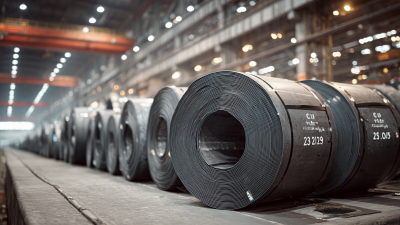
Hot rolled carbon steel coil is a type of steel product created through a specific manufacturing process. It is made by heating steel billets above their recrystallization temperature. This makes the steel easier to shape. The result is a product that is malleable and can be rolled into coils. These coils typically exhibit a rough surface finish. They may appear less polished than cold-rolled steel products. However, their strength and durability are notable traits.
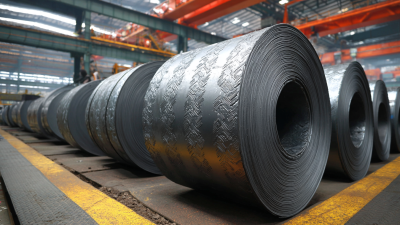
The characteristics of hot rolled carbon steel coils include good weldability and formability. This makes them useful in a range of industries. They are often used in construction, automotive, and manufacturing sectors. These coils are also beneficial for creating structural components. The process can result in some imperfections, such as surface scale or waviness. These flaws can affect aesthetics but do not compromise overall strength.
Despite its advantages, hot rolled carbon steel coils may not be suited for all applications. The rough surface can be a disadvantage in industries where a smooth finish is essential. Companies sometimes face challenges when adapting hot rolled products for specific needs. Balancing cost, performance, and aesthetics requires careful evaluation. Understanding these characteristics is crucial for making informed decisions.
Hot Rolled Carbon Steel Coil Applications
Manufacturing Process of Hot Rolled Carbon Steel Coil
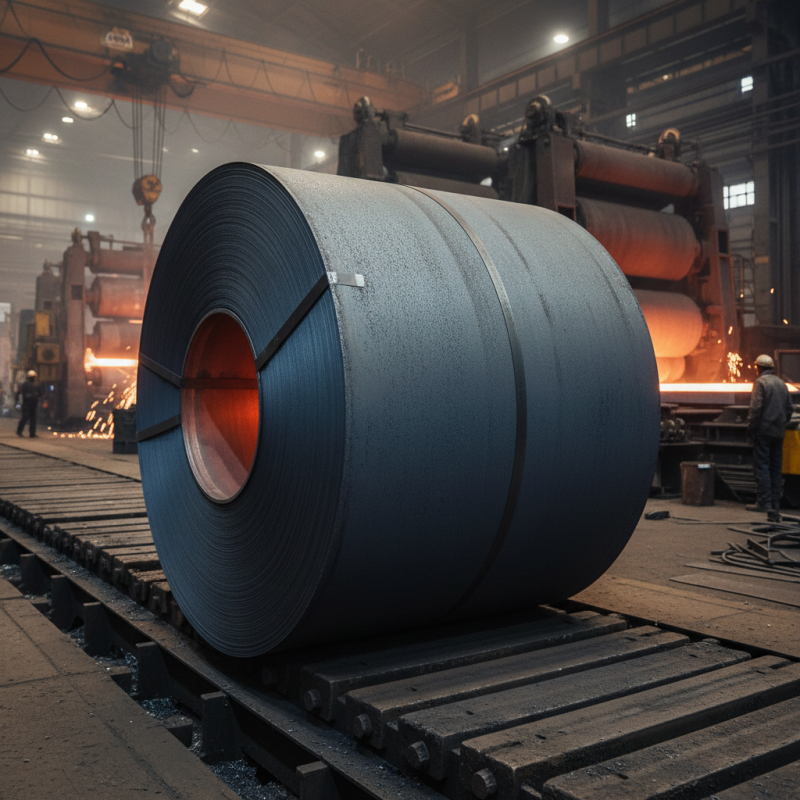
Hot rolled carbon steel coils are created through an essential manufacturing process. This process begins with heating steel billets to a high temperature, commonly exceeding 1,700°F. At this temperature, the steel becomes malleable and can be shaped easily. The heated billets are then passed through rollers. These rollers reduce the thickness and shape the steel into coils.
During the rolling process, the steel undergoes significant changes. It expands and becomes uniform in thickness. This method can cause imperfections due to uneven heating. The result may not be entirely smooth. Operators must closely monitor the process to avoid defects.
Cooling is another important step. The rolled steel coils need to be cooled down slowly. This process can create residual stresses. These stresses might affect the final performance. Proper handling and storage are crucial, yet sometimes overlooked. The quality of the final product can vary based on these factors.
What is Hot Rolled Carbon Steel Coil and Its Applications? - Manufacturing Process of Hot Rolled Carbon Steel Coil
| Dimension |
Value |
Application |
| Thickness |
1.0 - 25.0 mm |
Construction, Structural Components |
| Width |
600 - 2000 mm |
Automotive, Manufacturing |
| Length |
Up to 6000 mm |
Shipbuilding, Pipes |
| Yield Strength |
250 - 400 MPa |
Manufacturing, Equipment |
| Tensile Strength |
400 - 550 MPa |
Construction, Heavy Machinery |
| Application Areas |
General Manufacturing, Metal Fabrication |
Various Industries |
Common Applications of Hot Rolled Carbon Steel Coil in Industries
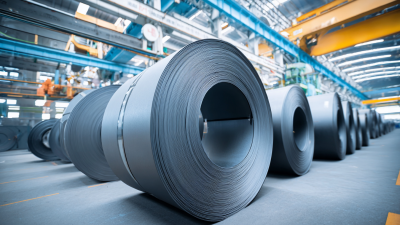
Hot rolled carbon steel coils are essential in various industries. They are typically produced by heating steel at high temperatures and shaping it into coils. This process gives the steel a unique set of properties. These coils are widely used in construction, automotive manufacturing, and machinery production.
In the construction sector, hot rolled carbon steel coils are ideal for structural applications. They are used in beams, columns, and reinforcements. Many buildings rely on these materials for strength and stability. The automotive industry also benefits, using these coils for making parts like chassis and frames. Their ductility makes them suitable for precise shaping and welding.
**Tips:** Always ensure proper handling. The edges of hot rolled coils can be sharp. Wear protective gear when working with them.
Another application is in manufacturing appliances. These coils are used in making products like refrigerators and stoves. Their durability and resistance to corrosion make them a top choice. However, be cautious—some manufacturers may not meet quality standards. Research suppliers to avoid subpar materials.
**Tips:** Validate quality before purchase. A poor-quality coil can lead to expensive repairs and replacements. Quality matters more than price.
Advantages of Using Hot Rolled Carbon Steel Coil
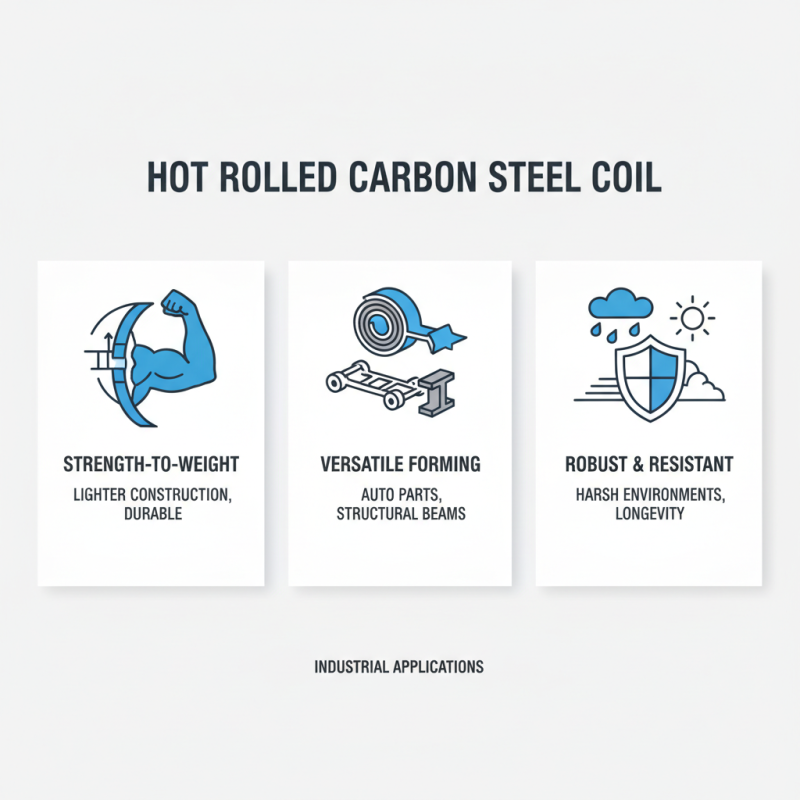
Hot rolled carbon steel coil is a versatile material used in various industries. One key advantage is its excellent strength-to-weight ratio, allowing for lighter constructions without compromising durability. It can be easily formed into different shapes, making it ideal for applications like automotive parts and structural beams. Its robust nature also means it withstands harsh environments, adding longevity to the products made from it.
Another significant benefit is the cost-effectiveness of using hot rolled carbon steel coil. The manufacturing process is efficient, resulting in lower production costs. Additionally, the coil can be produced in large quantities, streamlining supply chains. However, there can be challenges in surface finish quality. Some products may require additional processing to improve aesthetics.
Tips: Always consider the specific application needs. If surface quality is crucial, explore post-treatment options. Regular maintenance of equipment can enhance the material's performance over time.
Comparison with Other Types of Steel Coils
Hot rolled carbon steel coil is a widely used material in various industries. It undergoes a difference in processing compared to cold rolled steel. The production method involves rolling at high temperatures, which leads to less stress within the material. This characteristic makes hot rolled steel more malleable and less costly to produce. However, it often results in a rough surface finish that may require further processing for certain applications.
In comparison to cold rolled steel coils, which are processed at room temperature, hot rolled coils usually possess a lower yield strength. This makes hot rolled steel more suitable for structural applications where flexibility is needed. Cold rolled steel, on the other hand, offers a smoother surface and tighter tolerances, which can be crucial for specialized products. The choice between these two types often depends on the specific needs of a project.
Other steel types, like galvanized steel, offer additional corrosion resistance through a zinc coating. However, this added layer can complicate recycling efforts. It's vital to understand these differences to make informed decisions. Often, the applications of these steel types overlap, leading to confusion. Factors such as cost, strength requirements, and surface finish play significant roles in this decision-making process.