Embossed Carbon Steel Coil Tips for Optimal Use and Selection?
In the realm of manufacturing, the use of Embossed Carbon Steel Coil is gaining traction. This material is known for its enhanced surface texture and functionality. Recent industry reports indicate a growing demand, with a projected increase of 4% annually in the carbon steel market. This shift is due to the need for robust materials in various applications.
Choosing the right embossed coil can be challenging. Various factors, such as thickness, surface finish, and intended use, play pivotal roles. For instance, thicker coils may be suitable for heavy-duty applications, while lighter options work for decorative purposes. Attention to these details can impact performance significantly. Selecting poorly could lead to costly errors.
Data shows that many manufacturers overlook essential specifications. This oversight can result in increased wastage and rework. Companies need to evaluate their needs closely before making a decision. Understanding the full potential of Embossed Carbon Steel Coil can lead to optimized operations and better end products. Careful consideration can transform challenges into opportunities for success.
Understanding Embossed Carbon Steel Coils: Definition and Types
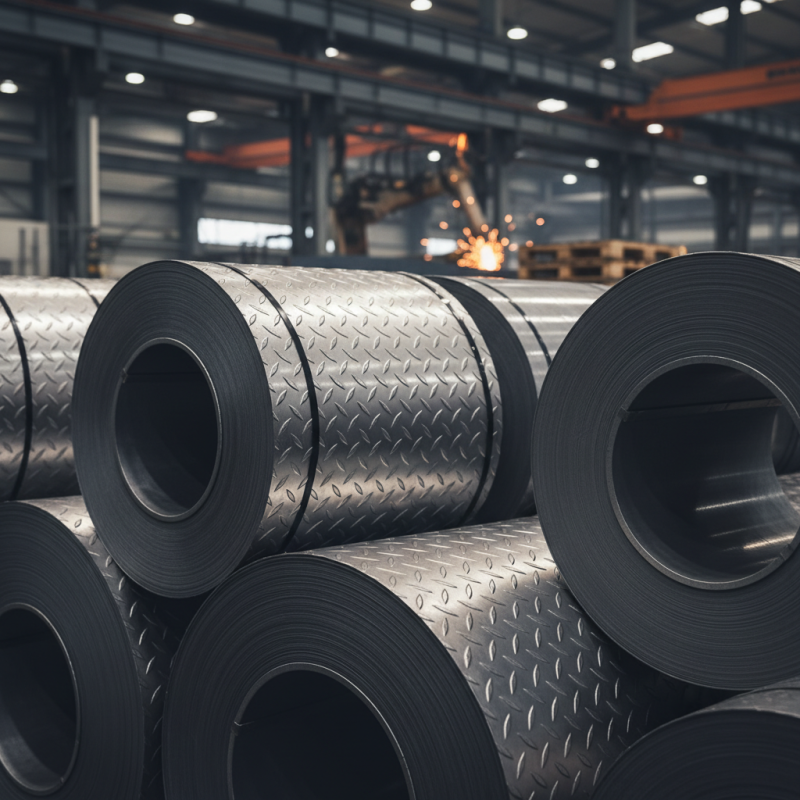
Embossed carbon steel coils are vital in various industries. They are typically defined by their raised patterns, which enhance aesthetics and improve functionality. Understanding their types is crucial for optimal selection. The main categories are regular embossed, skived, and custom designs. Each type serves different applications.
Regular embossed coils are common in decorative applications. They provide slip resistance. Skived embossed coils, on the other hand, offer enhanced adhesion for coatings. Custom designs cater to specific needs, creating bespoke solutions. According to industry reports, the global embossed steel market is expected to grow by 4.5% annually over the next five years.
Selecting the right type can be challenging. Factors like pattern depth and sheet thickness matter. Many overlook these details, which can result in poor performance. There are instances where manufacturers choose a coil that doesn’t align with their requirements. This misstep leads to increased costs and project delays. Proper analysis and a clear understanding can prevent these issues, ensuring both efficiency and quality in use.
Key Considerations for Selecting Embossed Carbon Steel Coils
When selecting embossed carbon steel coils, there are several key factors to consider. The thickness of the coil is critical. Most applications require coils that range from 0.5 mm to 3 mm in thickness. This range provides strength while allowing for some flexibility. A thicker coil may not fit specific applications well. Furthermore, the embossing pattern can impact the overall performance and aesthetics. For instance, a deeper embossing may provide better grip and reduced friction.
Another vital consideration is the steel grade. Different grades of carbon steel can impact durability and corrosion resistance. According to the American Iron and Steel Institute, grades such as A36 and A572 are commonly used for structural applications. However, they may not perform well in highly corrosive environments unless treated properly. These choices can significantly influence the cost and longevity of the final product.
Moreover, the application itself should guide your selection process. For decorative purposes, visual appeal might be more relevant; while for industrial uses, adhesion and wear resistance take precedence. A mismatch in requirements can lead to suboptimal performance. Regular feedback from users in the field can shed light on the effectiveness of these choices, allowing for continuous improvement in selecting the right coils for specific needs.
Embossed Carbon Steel Coil Tips for Optimal Use and Selection
| Dimension |
Thickness (mm) |
Width (mm) |
Length (m) |
Embossing Pattern |
Surface Finish |
| Standard |
1.2 |
1250 |
4000 |
Diamond |
Hot Rolled |
| Heavy Duty |
2.0 |
1500 |
6000 |
Wave |
Galvanized |
| Custom Order |
1.5 |
1000 |
5000 |
Straight Line |
Cold Rolled |
Best Practices for Using Embossed Carbon Steel Coils in Projects
Embossed carbon steel coils offer a unique texture and strength for various projects. When utilizing these materials, proper handling and application are crucial. Research shows that the surface profile can enhance adhesion and improve aesthetic appeal in diverse applications. However, the choice of embossing pattern can impact performance.
It's essential to match the coil's properties with the specific project requirements. For example, the stiffness in embossed coils can lead to cracking under certain conditions. An industry report from the Steel Manufacturers Association indicated that premature failures occur in 15% of embossed coil applications due to improper selection. This underlines the importance of assessing environmental factors before making a decision.
Maintaining the coils is another critical aspect. Regular inspections are needed to avoid corrosion, as the embossed surface can trap moisture. According to a study by the International Journal of Materials Science, 25% of projects reported failure after neglecting the maintenance of embossed coils. These factors highlight that while embossed carbon steel coils have clear benefits, mindful application and maintenance practices must accompany their use.
Maintenance Tips for Longevity of Embossed Carbon Steel Coils
Maintaining embossed carbon steel coils is crucial for achieving longevity and performance. These materials require special care to prevent corrosion and damage. Regular inspections are key. Look for signs of wear and tear. Ensure that the surface remains intact to preserve its aesthetic appearance.
One effective tip is to keep the coils clean. Dust and dirt can trap moisture. This leads to rust formation. Use a soft cloth or brush to gently remove debris. Avoid harsh chemicals that may damage the surface. After cleaning, apply a light protective oil. This layer adds a barrier against oxidation.
Another important point is proper storage. Coils should be stored in a dry environment, away from direct sunlight. Humidity can lead to rust. Keeping them off the ground on pallets is beneficial. Good airflow around the coils will also help. Regularly check the stored coils for any signs of moisture or corrosion. These maintenance practices can significantly extend the life of your embossed carbon steel coils.
Maintenance Tips for Longevity of Embossed Carbon Steel Coils
Common Applications and Benefits of Embossed Carbon Steel Coils
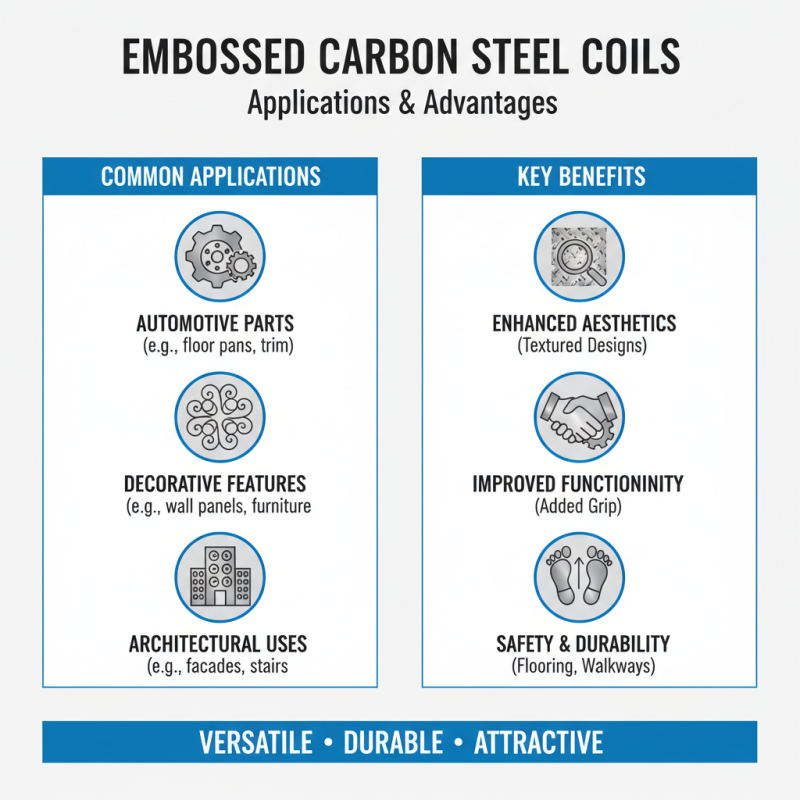
Embossed carbon steel coils are versatile materials used in various industries. Their textured surface offers improved aesthetics and functionality. They are commonly found in automotive parts, decorative applications, and architectural features. The raised patterns contribute to additional grip, making them ideal for flooring and walkways.
These coils possess several advantages. Their durability ensures they can withstand wear and tear in demanding environments. The embossed patterns assist in hiding scratches and imperfections, enhancing the material's lifespan. However, one must consider the potential for rusting if not properly coated. Regular maintenance is essential to keep these coils in optimal condition.
Another common application is in the manufacturing of appliances. The embossed surface can reflect light beautifully, giving products a refined look. Yet, it's crucial to choose the right type of coil for specific uses. Not all embossed patterns serve the same purpose. Thus, understanding the requirements and limitations is essential when selecting the right material.