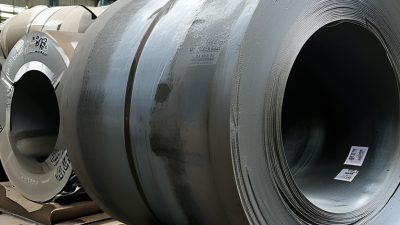
How to Choose the Best High Carbon Steel Coil for Your Needs?
Choosing the right High Carbon Steel Coil is crucial for many industries. High carbon steel is known for its strength and wear resistance. According to a recent market analysis by Steel Insights Group, the demand for high carbon steel coils is expected to grow by 8% annually through 2025. This growing demand highlights the importance of making informed choices.
Expert metallurgist Dr. Emily Hartman states, "The right high carbon steel coil can significantly enhance product performance." Her insights emphasize the role of quality in achieving desired outcomes. Selecting a coil depends on factors like composition, thickness, and intended application. Each parameter plays a vital role in performance and durability.
Many buyers overlook the importance of these specifications. Relying solely on price can lead to subpar choices. Evaluating the product against specific needs is essential. Understanding the properties of High Carbon Steel Coil can lead to greater efficiency and longevity in applications. Therefore, thorough research and expert advice are invaluable in making the best choice.
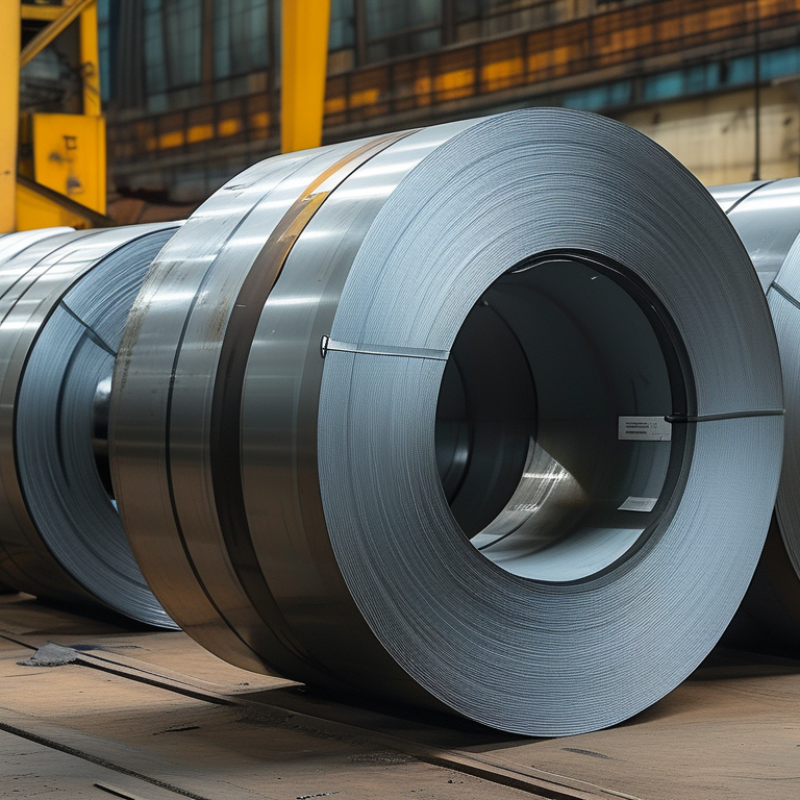
Understanding High Carbon Steel Coils and Their Applications
High carbon steel coils are known for their strength and durability. They contain more than 0.5% carbon, increasing hardness and wear resistance. This makes them ideal for applications such as automotive components, wires, and tools. Understanding the properties of high carbon steel is crucial for selecting the right material for your project.
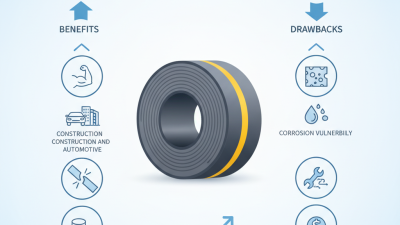
Applications of high carbon steel coils vary widely. They are commonly used in construction, manufacturing, and machinery. For instance, high carbon steel is essential in making blades for cutting tools. It also plays a significant role in producing spring materials due to its excellent elastic properties. However, the increased brittleness in high carbon steel can be a drawback. Users must account for this when designing parts.
Considering environmental factors is also important. High carbon steel can rust if not properly treated or coated. Proper storage and handling can mitigate these risks. However, despite these concerns, the performance benefits of high carbon steel often outweigh the drawbacks. Understanding these aspects can lead to more informed decisions when selecting materials.
High Carbon Steel Coil Applications and Properties
Factors to Consider When Selecting High Carbon Steel Coils
When selecting high carbon steel coils, various factors demand your attention. The carbon content is crucial. High carbon steel typically contains 0.6% to 1.0% carbon. This level significantly affects strength, hardness, and brittleness. A higher carbon content enhances hardness, but it can also make the steel less ductile. Balancing these properties is essential for your application.
Next, consider the intended use of the steel. Different applications require specific mechanical properties. For instance, if you're manufacturing tools or cutting edges, you may need steel with greater hardness. If flexibility is vital, a lower carbon percentage might be more suitable. Moreover, manufacturing processes can affect the final properties. Heat treatment, for example, can alter the microstructure. This means evaluating how your supplier treats the coils is also important.
Lastly, the steel's yield strength and tensile strength should be evaluated closely. These mechanical properties dictate how the steel will perform under pressure. Look for material certifications from suppliers to ensure reliability. Each application might require slight adjustments, so be prepared to revisit your initial choices. Reflecting on these factors can lead to better-informed decisions, yielding dependable results in your projects.
How to Choose the Best High Carbon Steel Coil for Your Needs?
| Factors |
Importance |
Recommended Range |
Applications |
| Carbon Content |
High |
0.5% - 1.5% |
Cutting tools, springs |
| Thickness |
Medium |
0.3 mm - 6 mm |
Manufacturing components |
| Width |
Medium |
100 mm - 1500 mm |
General fabrication |
| Tensile Strength |
High |
400 MPa - 1200 MPa |
High-stress applications |
| Heat Treatment |
Essential |
Varies |
Tool manufacturing |
| Surface Finish |
Moderate |
Bright, Matte |
Decorative, functional |
Comparing Different Grades of High Carbon Steel Coils
When selecting high carbon steel coils, understanding the various grades is crucial. Each grade offers unique properties that cater to specific requirements. High carbon steel generally ranges from 0.6% to 1.5% carbon content, impacting hardness and tensile strength. For example, a higher carbon content enhances hardness but can make it more brittle.
In practical applications, let's consider a grade like 1070. This steel grade provides excellent wear resistance, making it suitable for cutting tools. Conversely, a lower grade, such as 1045, balances strength and ductility, often used in automotive components. While high carbon options improve performance, they require careful handling during machining. Improper techniques can lead to cracking.
Many users might overlook tempering, which is essential to relieve stresses and improve toughness. It can be challenging to strike the right balance between hardness and ductility. Decisions must be made based on the specifics of the application. Testing and trial runs are helpful to find the right fit, ensuring the selected grade meets performance expectations without compromising durability.
Evaluating Cost versus Performance in High Carbon Steel Coils
When evaluating cost versus performance in high carbon steel coils, it’s essential to consider your specific requirements. High carbon steel offers excellent hardness and strength. However, these attributes come at a higher cost. Price often reflects the material's durability and performance. If your project demands a product that withstands wear and tear, investing in quality is crucial.
Another factor is the application. For heavy-duty projects, the performance of high carbon steel coils can significantly impact the overall outcome. If you choose a cheaper option, you might face issues like brittleness or reduced lifespan. Compromising on quality may lead to increased maintenance costs in the long run.
Balancing cost and performance requires careful assessment. Reflect on the demands of your project. What performance factors are non-negotiable? What is your budget? Sometimes, spending a bit more upfront can save money later. Measure the value of durability against the price. This reflection can guide you toward making informed decisions.
Maintenance and Care for High Carbon Steel Coil Products
High carbon steel coils are valued for their strength and hardness. However, proper maintenance is vital for longevity. Experts recommend regular cleaning to prevent rust. Humidity and exposure to moisture can be especially harmful. It is crucial to store these coils in a dry environment. According to a 2021 report from the Steel Institute, inadequate care can reduce the coil's lifespan by up to 30%.
Lubrication is another important aspect. Using suitable oils can help maintain the material’s integrity. However, applying too much can cause residue buildup, attracting dirt. Precision in application is key. A recent study revealed that improper maintenance practices affect performance, leading to increased wear and potential failures.
Visual inspections should be routine. Look for signs of corrosion or scratches. Addressing these issues early can prevent serious problems later. Data shows that 15% of high carbon steel failures are due to neglect. While these materials are robust, they require mindful care. Understanding their needs can ensure optimal performance over time.