Best Steel Coils Low Carbon Strips for Global Buyers?
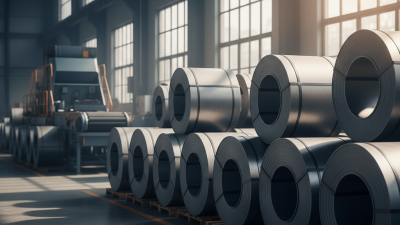
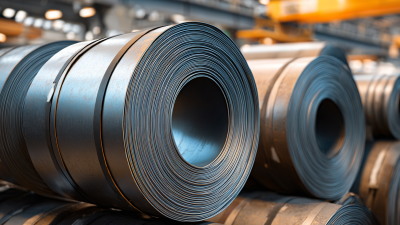
In the world of manufacturing, the demand for high-quality Steel Coils Low Carbon Strips is increasingly significant. These materials play a crucial role in various applications, ranging from automotive to construction. However, choosing the right supplier can be challenging, especially for global buyers seeking both quality and reliability.
Understanding the characteristics of low carbon steel is essential. This type of steel offers flexibility, weldability, and strength, making it a favorite among manufacturers. Buyers should be aware of different specifications and standards to ensure they get the best products for their needs. Each supplier may vary in quality, which adds to the complexity of procurement.
Furthermore, while many suppliers claim to meet international standards, not all deliver on those promises. It's vital for buyers to conduct thorough research and seek testimonials to gauge a supplier's credibility. Small mistakes in selection can lead to significant setbacks in production. Being vigilant and informed will help in securing the best Steel Coils Low Carbon Strips available in the market.
Best Low Carbon Steel Coils: An Overview for Global Buyers
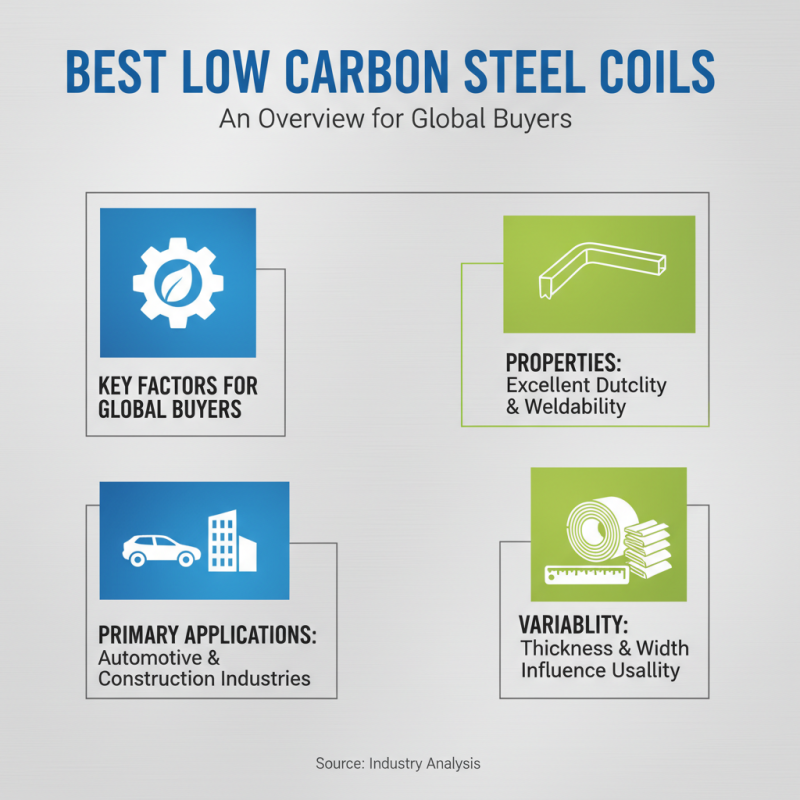
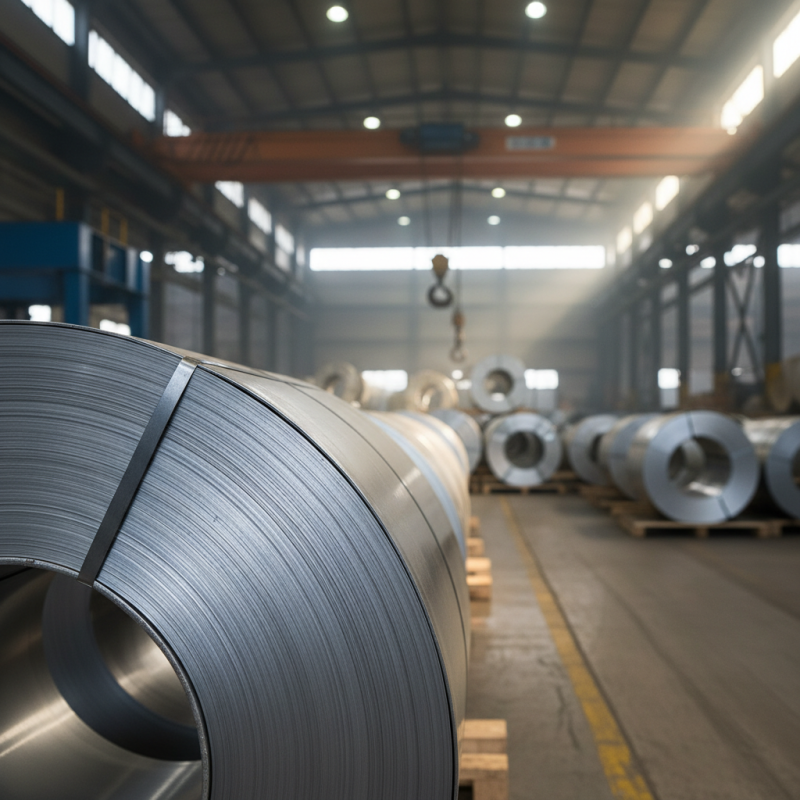
When exploring low carbon steel coils, global buyers should consider several key factors. Low carbon steel is known for its excellent ductility and weldability. This makes it an ideal choice for various applications, including automotive and construction industries. The thickness and width of the coils can vary, which influences their usability in different projects.
Tip: Always check the specific requirements for your project. Different sectors may require particular specifications. Ensure the steel coils meet your standards for strength and flexibility.
Another consideration is the supplier’s reputation. Reliable suppliers provide consistent quality and timely delivery. Demand transparency about sourcing practices and quality controls. Knowing the supply chain can help mitigate risks in procurement.
Tip: Ask for certifications. These documents can confirm the quality and material properties of the steel. They play a crucial role in building trust and ensuring compliance with industry standards.
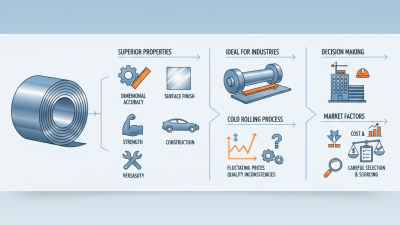
It’s beneficial to stay updated on market trends. Prices can fluctuate due to changes in demand or raw materials. This awareness will help buyers time their purchases effectively. Understanding these dynamics can lead to better purchasing decisions.
Key Features of Low Carbon Steel Strips in the Market
Low carbon steel strips are essential in various industries, from automotive to construction. They offer excellent formability and weldability, making them ideal for different applications. Their low carbon content results in increased ductility and toughness. These properties are crucial when creating strong and flexible components.
When selecting low carbon steel strips, consider thickness and width. Thin strips are suitable for applications requiring precision. Wider strips are better for projects needing strength. Additionally, surface quality is vital. A smooth finish helps improve adhesion and reduces friction.
Tips: Always assess your specific needs before purchasing. Sometimes, thicker strips may not perform well in applications requiring flexibility. Think about how the steel will be processed later. Misjudging requirements can lead to increased costs and delays. Always consult with industry experts for tailored advice.
Remember, while low carbon steel strips are versatile, they are not universally perfect. Their performance can vary based on environmental factors and the intended application. Understanding these nuances can guide better purchasing decisions.
Top Suppliers of Low Carbon Steel Coils Worldwide
When searching for the best low carbon steel coils, understanding the
supply market is essential. Global demand for low carbon strips continues to rise, prompting numerous
suppliers to enter the scene. These materials offer excellent durability and flexibility,
making them ideal for various applications. The challenge lies in identifying reliable suppliers who
consistently meet quality standards.
Top suppliers can be found in different regions, each offering unique advantages. For instance, some
regions excel in innovative production techniques, while others focus on sustainability practices. It's
important to evaluate their certifications and industry reputation. Many suppliers emphasize transparency,
sharing their sourcing methods and production processes. This fosters trust and provides buyers a clear
picture of what they are purchasing.
While many companies are striving to improve their offerings, challenges remain. Variability in quality is one concern. Prospective buyers should conduct
thorough assessments and request samples. Balancing cost and quality is
equally critical. Sometimes, opting for the lowest price may lead to compromises in
material integrity. Therefore, engaging with several suppliers and comparing their specifications can
reveal useful insights. Doing so can help buyers make informed decisions that align with their project
requirements.
Applications of Low Carbon Steel Strips in Various Industries
Low carbon steel strips are widely used across numerous industries due to their strength and flexibility. In construction, these strips create robust supports and frames. Their durability ensures long-lasting structures. The automotive industry also relies on low carbon steel. Components like chassis and beams are often made from these strips. They provide essential strength while remaining lightweight for fuel efficiency.
In appliance manufacturing, low carbon steel strips are crucial. They form the basis of various household appliances, providing structural integrity. Their corrosion resistance is important for longevity. Moreover, the electronics sector utilizes these strips for enclosures and supports. This versatility is often overlooked but extremely valuable.
Despite their many benefits, the use of low carbon steel strips does come with challenges. Quality control is sometimes inconsistent. Variations can lead to structural weaknesses if not monitored properly. Manufacturers must ensure proper testing to maintain standards. This is an ongoing concern and calls for constant improvement in production processes. Adapting to new technologies may help address these issues effectively.
Applications of Low Carbon Steel Strips in Various Industries
Factors to Consider When Selecting Steel Coils for Purchase
When selecting low carbon steel coils for purchase, various factors come into play. Buyers should assess the thickness of the strips. Thicker materials may offer strength, but lighter options enhance flexibility. Each application demands a specific width and thickness, which directly affects usability. Knowing your exact requirements is essential for making informed decisions.
Quality control procedures are vital. Inspecting certification and traceability creates confidence in the material's integrity. Reliable suppliers provide detailed documentation. This transparency ensures compliance with industry standards. Pay attention to mechanical properties, like tensile strength and ductility. These attributes determine how the coils will perform under stress.
Finally, consider the sourcing location. Proximity to the supplier can impact delivery times and costs. It is crucial to weigh these aspects against the potential benefits. While many market options seem appealing, not all fulfill long-term expectations. Reflecting on past decisions can lead to better choices in the future.