Best Hot Rolled Carbon Steel Coil Uses and Benefits in 2026?
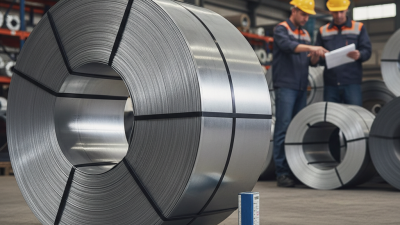
Hot Rolled Carbon Steel Coil is an essential material in multiple industries. This versatile steel type is favored for its strength and durability. In 2026, various applications showcase its importance.
Manufacturers use Hot Rolled Carbon Steel Coil in construction and automotive sectors. It can withstand heavy loads, making it ideal for structural components. Yet, despite its advantages, some challenges remain. Corrosion resistance is a concern in certain environments. Proper coating may address this issue.
The benefits of Hot Rolled Carbon Steel Coil are clear, yet not without limitations. Future innovations could lead to enhancements in its properties. Exploring alternative alloys may also yield better results. As we look ahead, the potential of Hot Rolled Carbon Steel Coil remains significant.
Overview of Hot Rolled Carbon Steel Coil in 2026
In 2026, the hot rolled carbon steel coil market continues to grow. This growth stems from its diverse applications across various industries. The automotive sector remains a major consumer, utilizing these coils in structural components and chassis. Reports from industry analysts estimate that demand from automotive manufacturers will rise by 5% annually through 2026. This shift emphasizes the ongoing importance of lightweight materials in vehicle design.
The construction industry is another significant user of hot rolled carbon steel. These coils are crucial for building frameworks and supporting structures. Market insights indicate a projected increase in construction spending, predicting a rise of 3% year-on-year. However, fluctuations in raw material prices could challenge manufacturers. Quality control remains vital, as any defects can lead to costly delays in production and construction projects.
Environmental considerations also impact the use of hot rolled carbon steel coils. The push for sustainable practices is becoming more prominent. Companies are being urged to minimize their carbon footprints. This awareness could reshape industry standards and lead to innovations in production processes, which may not always be immediately achievable. Balancing efficiency with sustainability presents an ongoing challenge for the sector.
Key Applications of Hot Rolled Carbon Steel Coil in Various Industries
Hot rolled carbon steel coils are vital in various industries. Their applications vary significantly, showcasing their versatility. For example, in the construction sector, they are often used in beams, columns, and structural components. The American Iron and Steel Institute reported that around 50% of hot rolled steel is utilized in construction. This reflects its importance for building infrastructure that stands the test of time.
In the automotive industry, hot rolled carbon steel coils are essential for manufacturing parts. They are used for frames, body panels, and chassis components. The International Steel Association noted that approximately 35% of automotive parts are made from hot rolled steel. However, while it offers strength and flexibility, the market must address challenges like reducing carbon emissions during production.
The energy sector also relies heavily on hot rolled steel for pipelines, tanks, and equipment. Reports indicate that about 25% of hot rolled steel is used in energy applications. This is crucial, especially as demand for energy continues to grow. Despite these benefits, the industry faces hurdles, such as fluctuations in raw material costs and environmental concerns around production. Overall, the uses of hot rolled carbon steel coils are expansive and deeply integrated into our industries.
Advantages of Using Hot Rolled Carbon Steel Coil for Manufacturing
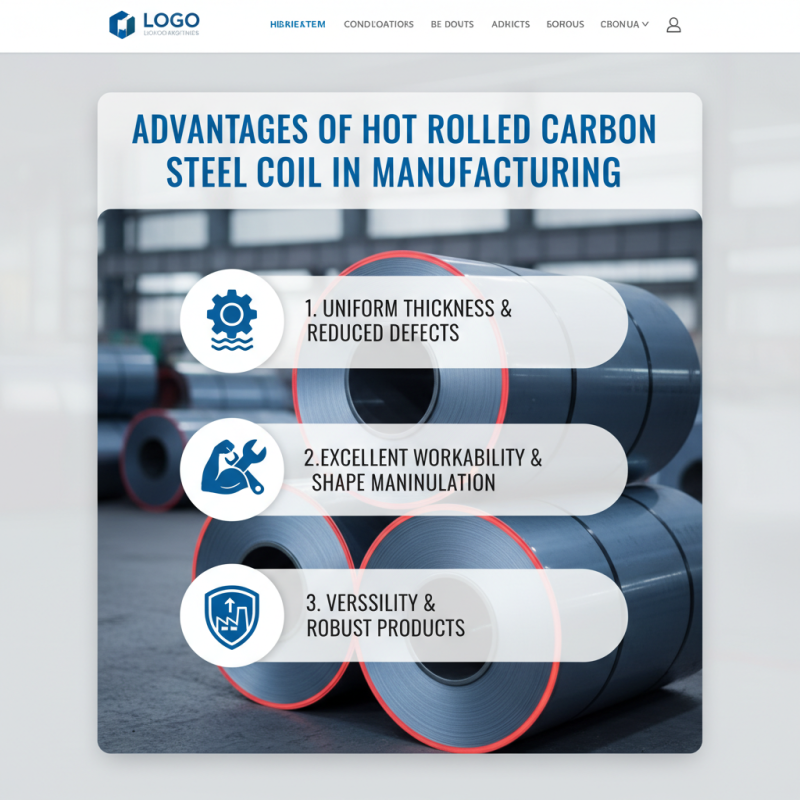
Hot rolled carbon steel coils are widely used in manufacturing. Their unique properties make them a favored choice. The rolling process at high temperatures ensures uniform thickness and excellent workability. This means fewer defects in the final product. Manufacturers appreciate the versatility of hot rolled coils, as they can be easily manipulated into different shapes.
One clear advantage is their cost-effectiveness. Hot rolled coils are generally less expensive than cold rolled alternatives. However, this lower cost comes with trade-offs. The surface finish may not be as smooth, and the dimensions can vary. This might require additional processing, which can add time and expense. Some manufacturers overlook this when planning production, leading to unexpected challenges.
Hot rolled carbon steel is fundamental in construction and automotive industries. Its strength is essential for structural components. Yet, the potential for warping during cooling poses risks. Manufacturers must consider material handling carefully to avoid flaws. Despite these challenges, the benefits are significant, making hot rolled coils a vital material in 2026 and beyond.
Market Trends and Innovations in Hot Rolled Carbon Steel Coil Production
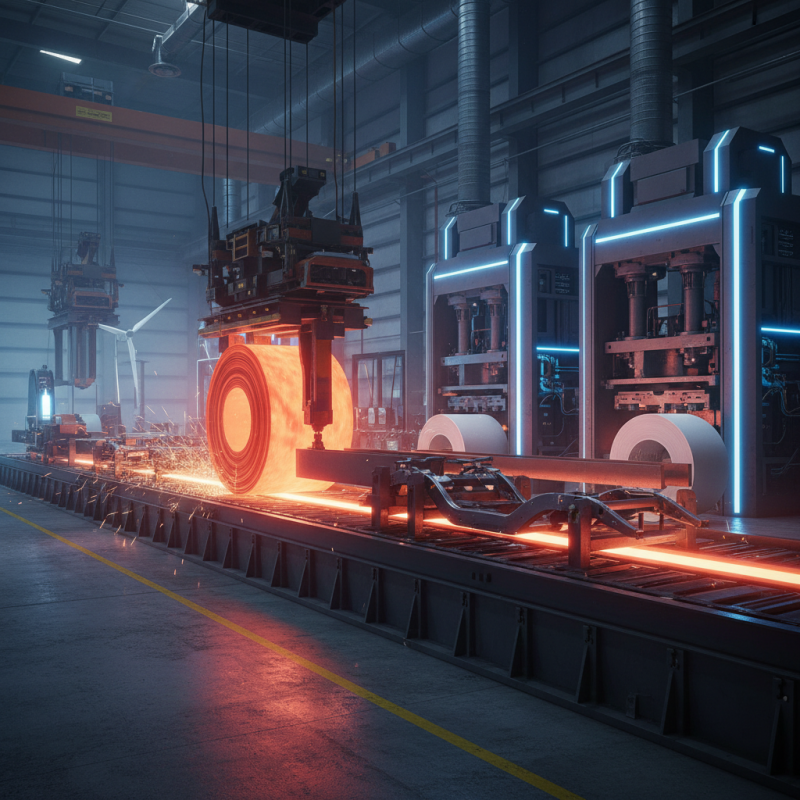
The hot rolled carbon steel coil market is evolving rapidly. In 2026, innovations in production techniques will significantly impact its applications. Manufacturers are now exploring advanced methods to enhance quality and efficiency. Some companies are integrating automation in their processes. This shift can help reduce labor costs and improve safety. However, some traditional practices may be lost in this transition.
Sustainability is becoming prominent in the production landscape. More producers are seeking eco-friendly practices. Recycling and energy-efficient techniques are gaining attention. Yet, challenges remain in consistently applying these methods across all plants. There are ongoing debates about the best practices for maintaining quality while being environmentally responsible. The balance between innovation and tradition is a complex issue in the industry, prompting continuous evaluation and adjustment of strategies.
Best Hot Rolled Carbon Steel Coil Uses and Benefits in 2026
| Application |
Key Benefits |
Market Trends |
Expected Innovations |
| Construction |
High strength and durability |
Sustainable building materials |
Advanced forming techniques |
| Automotive |
Weight reduction and cost-effectiveness |
Increased adoption of lightweight materials |
Next-gen steel processing technologies |
| Manufacturing |
Versatility in designs |
Growing demand in machinery applications |
Smart automation in production |
| Shipbuilding |
Excellent corrosion resistance |
Shift towards eco-friendly materials |
Innovations in surface treatments |
| Energy Sector |
Cost savings in production |
Increase in renewable energy infrastructure |
Development of high-strength alloys |
Environmental Impacts and Sustainability Practices in Steel Production
The environmental impact of steel production is significant. Hot rolled carbon steel coils contribute to greenhouse gas emissions. Manufacturing processes demand large amounts of energy, often from fossil fuels. The extraction of raw materials can lead to habitat destruction. Water pollution is another concern. Effluents from steel mills may affect local ecosystems.
However, the industry is making strides toward sustainability. More companies are adopting eco-friendly practices. Innovations in recycling are reducing waste effectively. Using scrap metal decreases the need for virgin materials. This shift not only conserves resources but also cuts emissions. Some facilities are exploring renewable energy sources. Solar and wind power are increasingly utilized in production.
Despite these advancements, challenges remain. The transformation to greener practices takes time. Some operations may still prioritize cost over environmental concerns. Transparency in reporting practices is often lacking. Consumers need to be informed about the actual impacts. Conversations around responsibility in steel production must continue. Addressing these issues will be crucial in 2026 and beyond.