What are the Benefits of Using Carbon Steel Pipe for Projects?
When it comes to construction and industrial projects, the choice of materials can make a significant difference. One material that stands out is Carbon Steel Pipe. As noted by industry expert Dr. Emily Thompson, "Carbon Steel Pipe offers unmatched durability and versatility." This insight highlights why many professionals prefer this material for their projects.
Various benefits come with using Carbon Steel Pipe. It exhibits excellent strength and resistance to high pressures. This makes it ideal for transporting fluids and gases. Additionally, the cost-effectiveness of Carbon Steel Pipe compared to other materials like stainless steel is attractive. However, it is essential to consider maintenance requirements. Carbon steel can be susceptible to corrosion without proper treatment.
Choosing Carbon Steel Pipe is often a smart decision. Its reliability and performance in various applications speak volumes. Yet, it's crucial to weigh all factors before making a final choice. The durability of Carbon Steel Pipe can lead to long-term savings, but its limitations need acknowledgment. In the end, informed decisions will ensure project success.
Benefits of Carbon Steel Pipe in Structural Integrity and Durability
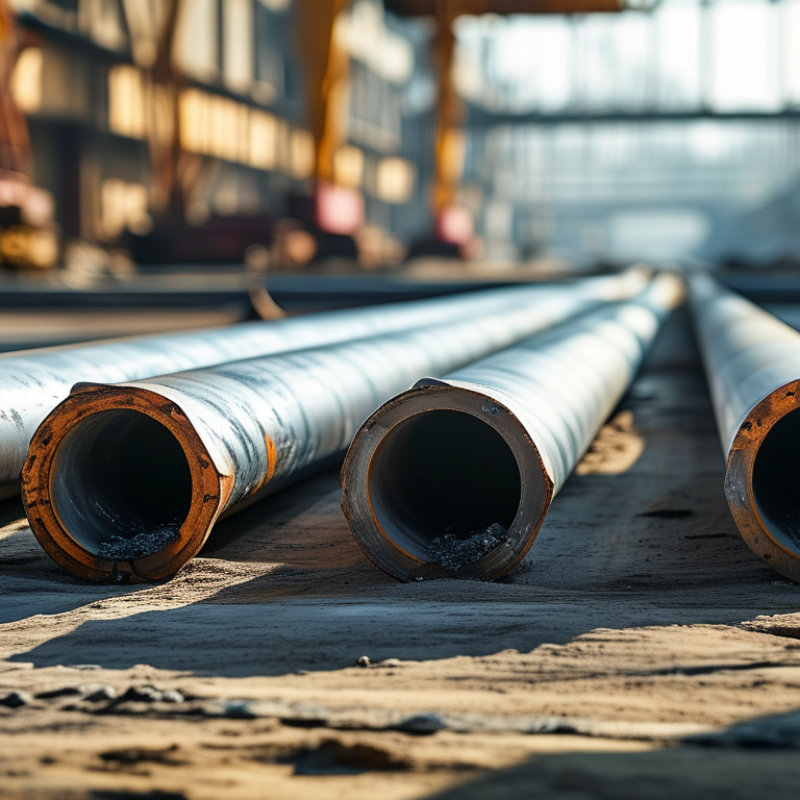
Carbon steel pipes are renowned for their structural integrity. They offer high strength and versatility. This makes them ideal for various construction projects. Their durability is noteworthy. They can withstand harsh environmental conditions, making them reliable for long-term use.
Another aspect to consider is maintenance. While carbon steel pipes are tough, they can be prone to rust if not properly treated. Protective coatings can enhance their lifespan significantly. However, neglecting this step could lead to premature failure. Regular inspections are essential to ensure their performance.
In terms of cost, carbon steel pipes are often more economical than alternatives. They provide a strong foundation without breaking the bank. However, buyers should weigh the initial savings against potential maintenance costs. It’s important to consider the long-term implications of using carbon steel. This balance is crucial for any successful project. Overall, their benefits are clear, but challenges exist. Careful planning can mitigate future issues.
Cost-Effectiveness of Carbon Steel Pipe for Long-Term Projects
Carbon steel pipe is a popular choice in various industries for its cost-effectiveness, especially in long-term projects. According to a report by the American Society of Mechanical Engineers, carbon steel pipes can provide significant savings over their lifespan. These pipes are generally less expensive to manufacture compared to alternatives like stainless steel or plastic. Additionally, carbon steel's durability means reduced maintenance costs over time, making it a practical option for projects requiring longevity.
In a 2020 study by the National Institute of Standards and Technology, the performance of carbon steel pipes showed a 30% longer lifespan when exposed to environmental stresses compared to other materials. This extended durability translates into fewer replacements, which can be a substantial financial benefit for companies operating within strict budgets. Projects that rely heavily on piping systems, such as oil and gas refineries, benefit the most from utilizing carbon steel due to the material's resiliency and lower installation costs.
However, it is crucial to consider the environmental impact of carbon steel. While it is cost-effective, its production can contribute to carbon emissions. Thus, project managers must weigh the economic advantages against potential ecological concerns. This reflects the need for a thoughtful approach that balances cost with sustainability. Decision-makers should continuously assess project requirements and material impacts to ensure optimal choices are made.
Corrosion Resistance and Maintenance of Carbon Steel Pipe
Carbon steel pipes are widely used in many industries due to their strength and versatility. One of the key aspects to consider is their corrosion resistance. Although they are not as resistant as stainless steel, carbon steel pipes can still withstand various environmental conditions with proper treatment and coating. This is especially important in projects where exposure to moisture is a concern. Using anti-corrosive coatings can enhance their durability significantly.
Maintenance plays a crucial role in extending the lifespan of carbon steel pipes. Regular inspections are necessary to identify any signs of rust or corrosion early. Short-term interventions, such as applying protective paints, can prevent long-term damage. However, improper maintenance practices may lead to unforeseen issues, such as leaks or pipe failures. It is essential to educate teams on the significance of choosing the right materials and maintenance procedures.
In many applications, carbon steel pipes serve a functional purpose. They offer excellent mechanical properties and, in many instances, are cost-effective. Yet, relying solely on their inherent resistance can be misleading. This highlights the importance of understanding the environment where the pipes will be installed. Awareness of these factors will allow teams to make informed decisions, ensuring safety and efficiency in every project.
What are the Benefits of Using Carbon Steel Pipe for Projects? - Corrosion Resistance and Maintenance of Carbon Steel Pipe
| Benefit |
Description |
Application Area |
Maintenance Tips |
| High Strength |
Carbon steel pipes offer great tensile strength, making them suitable for high-pressure applications. |
Oil and gas pipelines |
Regular inspections and using corrosion inhibitors can extend life. |
| Corrosion Resistance |
With proper coatings, carbon steel pipes can resist corrosion significantly. |
Water supply systems |
Use protective coatings and keep surfaces clean. |
| Cost-Effective |
Carbon steel pipes are generally less expensive than other pipe materials such as stainless steel. |
Construction and infrastructure projects |
Routine maintenance can minimize long-term costs. |
| Versatility |
They can be used in various applications including plumbing, heating, and manufacturing. |
Multiple industrial sectors |
Avoid exposing to extreme temperatures and environments. |
Applications of Carbon Steel Pipe in Various Industries
Carbon steel pipes are essential in various industries due to their versatility and strength. In construction, these pipes support structures with durability, making them ideal for frames and piping systems. The ability to withstand high pressure and temperatures enhances their suitability for industrial plants. They are frequently found in water transportation systems, providing reliable flow for municipal and agricultural use.
Energy sectors also heavily utilize carbon steel pipes. In oil and gas applications, these pipes transport fuels safely and efficiently. Their resistance to corrosion ensures longevity, even in harsh environments. Additionally, in manufacturing, they are used in machinery and tools, reinforcing the importance of carbon steel in everyday operations.
Despite their benefits, improper installation can lead to failures. This highlights the need for skilled labor and careful planning in any project involving carbon steel pipes.
Environmental Impact and Sustainability of Carbon Steel Pipe Usage
Carbon steel pipes have gained popularity in various industries due to their sustainability and lower environmental impact. The life cycle of carbon steel is noteworthy. Studies indicate that over 85% of a carbon steel pipe can be recycled. This high recyclability significantly reduces waste in landfills. In contrast, materials like plastic have a far lower recycling rate, often below 10%.
The production of carbon steel pipes is also more energy-efficient compared to other materials. According to a report from the World Steel Association, the carbon emissions involved in producing one ton of steel are about 1.8 tons of CO2. Innovations in production methods, such as electric arc furnaces, have reduced emissions significantly. These advancements highlight the industry's commitment to sustainability.
However, the carbon footprint associated with transporting steel can be substantial. Transportation often results in emissions that offset some benefits of production efficiency. This aspect requires ongoing reflection and improvement in logistics. While carbon steel pipes excel in many areas, it's essential to critically assess their total environmental impact throughout the supply chain.