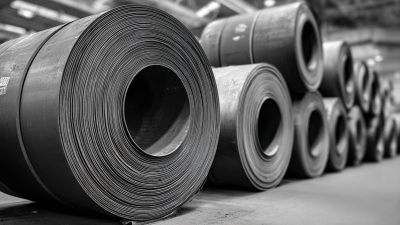
Unveiling the Benefits of Carbon Steel Coil Stip: A Guide to Its Applications and Durability
The use of Carbon Steel Coil Stip has gained significant traction across various industries due to its versatility and formidable durability. According to a recent report by the World Steel Association, the demand for carbon steel products is projected to reach 1.9 billion metric tons by 2023, driven largely by applications in construction, automotive, and manufacturing sectors.
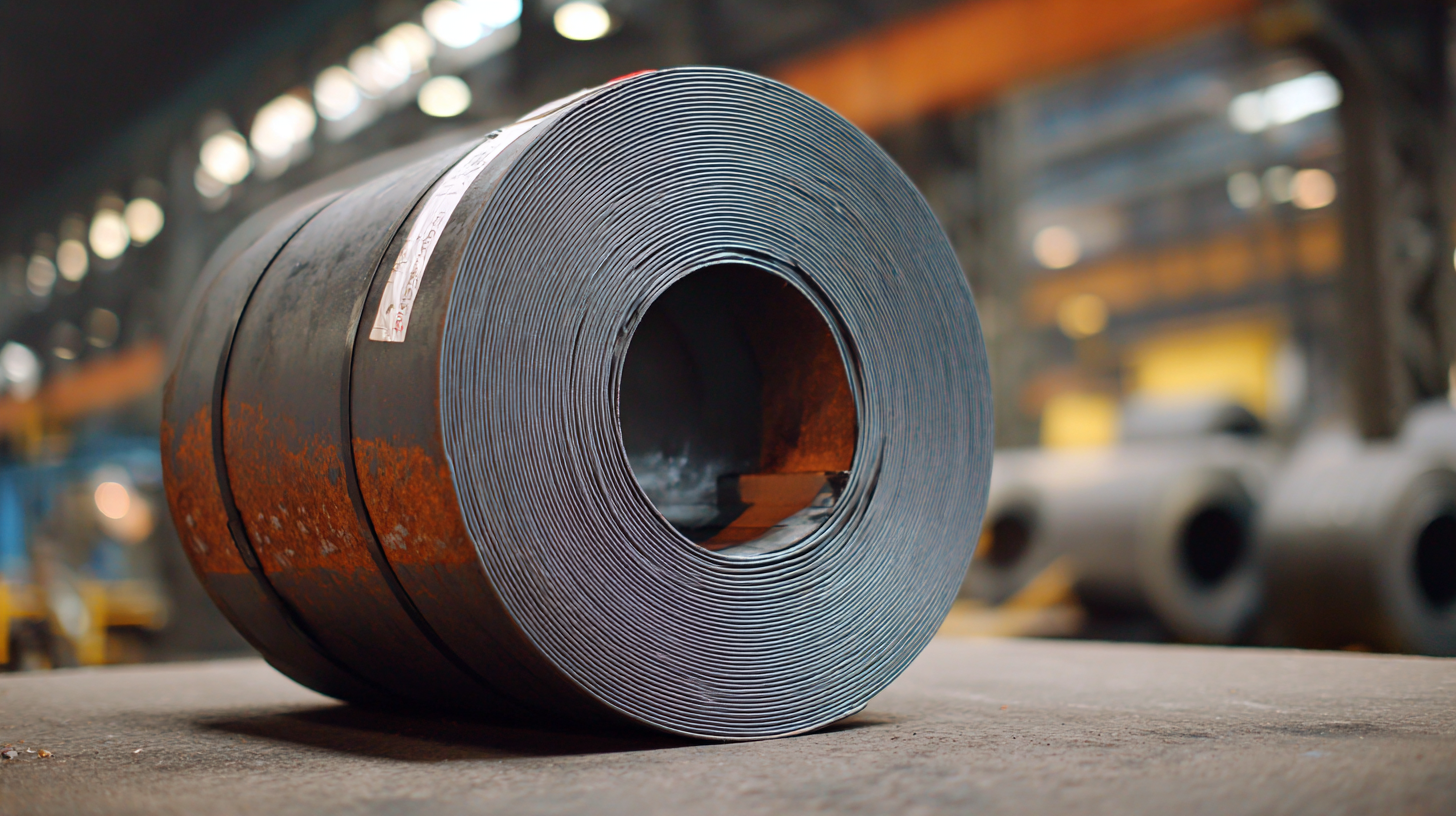 Carbon Steel Coil Stip, known for its excellent strength-to-weight ratio and adaptability, plays a crucial role in these areas. Its resistance to wear and corrosion further enhances its appeal in creating long-lasting structures and components. As industries continually seek materials that deliver both performance and cost-effectiveness, understanding the benefits and applications of Carbon Steel Coil Stip becomes essential for engineers and manufacturers alike. This guide aims to unveil the various advantages of Carbon Steel Coil Stip, providing insights into its applications and the factors contributing to its enduring popularity in the market.
Understanding Carbon Steel Coil Strip: Properties and Composition
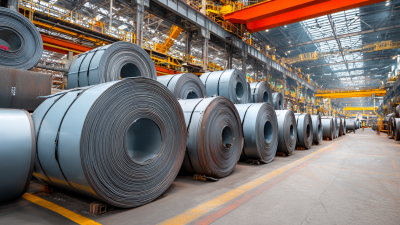
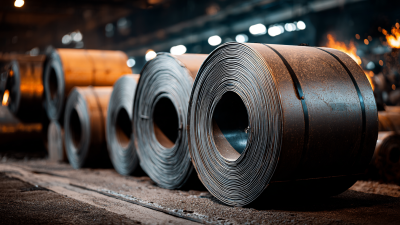
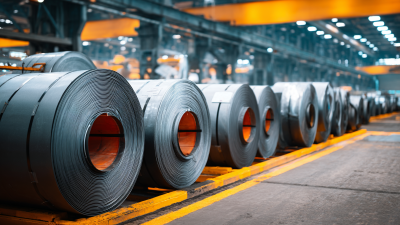
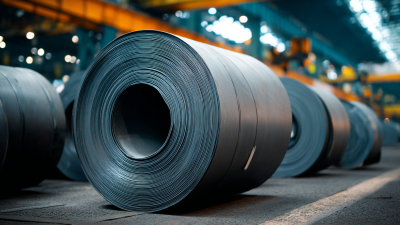
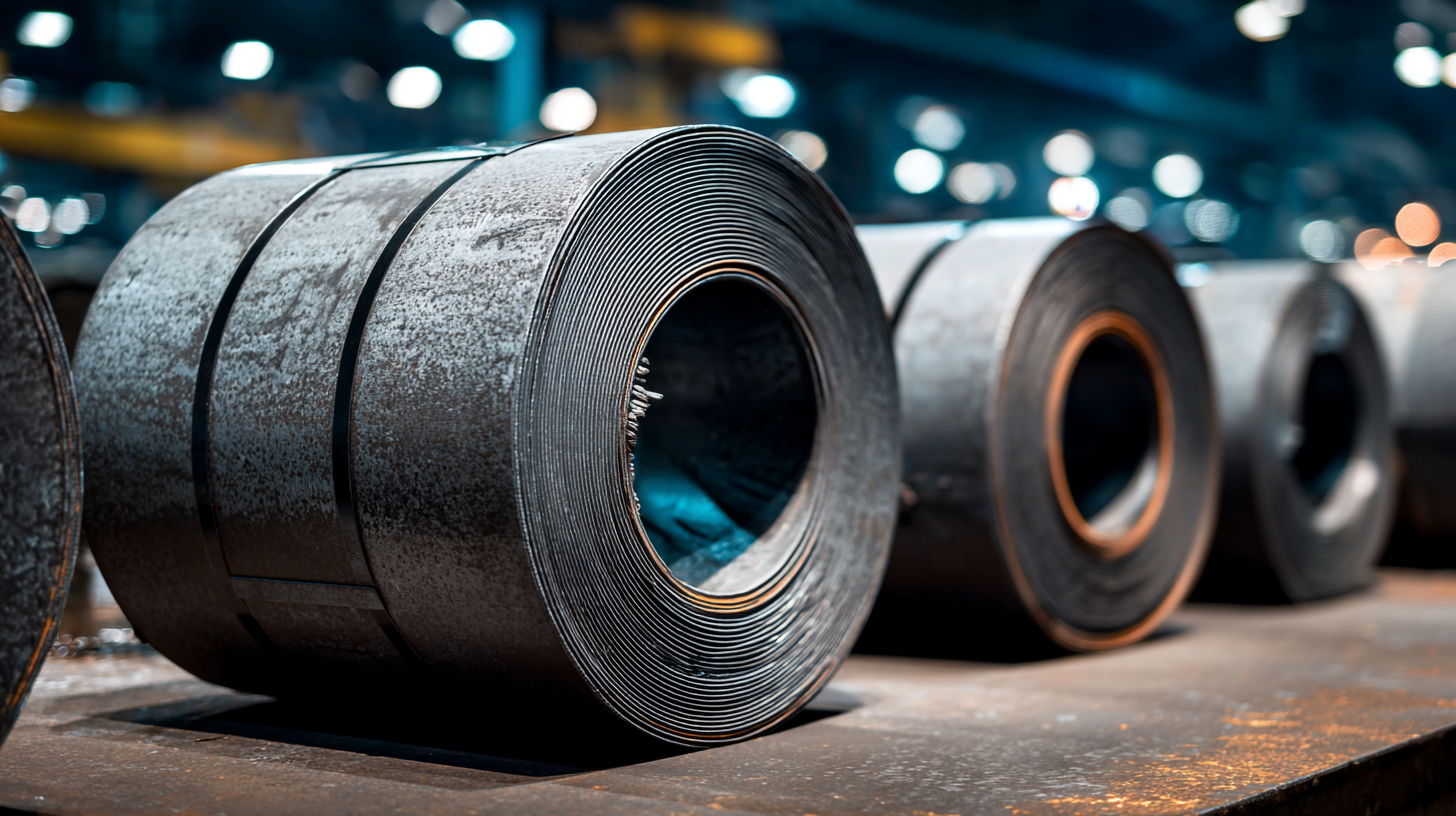 Carbon steel coil strips are high-quality materials known for their superior properties and versatile applications. Comprised mainly of iron and carbon, these strips exhibit an impressive strength-to-weight ratio, making them suitable for various industries. The composition typically includes a controlled amount of carbon, which enhances the metal's hardness and durability while maintaining its ductility. This balance of properties allows for successful shaping and forming processes, resulting in products that can withstand environmental stressors and mechanical fatigue.
When working with carbon steel coil strips, it’s essential to consider their heat treatment and surface finish. Heat treatment can significantly alter the mechanical properties, thereby optimizing performance for specific applications. A well-applied surface finish can prevent corrosion, prolonging the lifespan of the materials.
Tips: Always check the specifications of the carbon steel coil strip you’re using. Selecting the right grade for your project ensures optimal performance and safety. Additionally, consider investing in protective coatings to enhance durability, particularly in harsh environments.
Key Applications of Carbon Steel Coil Strip in Various Industries
Carbon steel coil strips are versatile materials widely used across various industries due to their exceptional strength and durability. In the automotive sector, these strips are essential for manufacturing components such as chassis and body panels, providing robustness while maintaining a lightweight profile. The construction industry also benefits from carbon steel coil strips, which are pivotal in producing roof sheets, metal framing, and other structural elements that require high resistance to wear and tear.
**Tip:** When selecting carbon steel coil strips for automotive or construction applications, consider the specific tensile strength and corrosion resistance needed to enhance longevity and reduce maintenance costs.
In the electrical industry, carbon steel coil strips play a crucial role in the production of transformers and electrical enclosures, offering excellent conductivity along with mechanical strength. Additionally, the appliance manufacturing sector leverages these strips for making durable outer casings and internal components.
**Tip:** Always check for certifications and standards compliance to ensure the carbon steel coil strips meet industry requirements and enhance safety in final applications.
Key Applications of Carbon Steel Coil Strip in Various Industries
This bar chart illustrates the primary applications of carbon steel coil strip across various industries. The automotive sector represents the largest application area, followed closely by construction and manufacturing. This visualization highlights the versatility and significance of carbon steel coil strips in modern industrial practices.
Evaluating the Durability and Strength of Carbon Steel Coil Strip
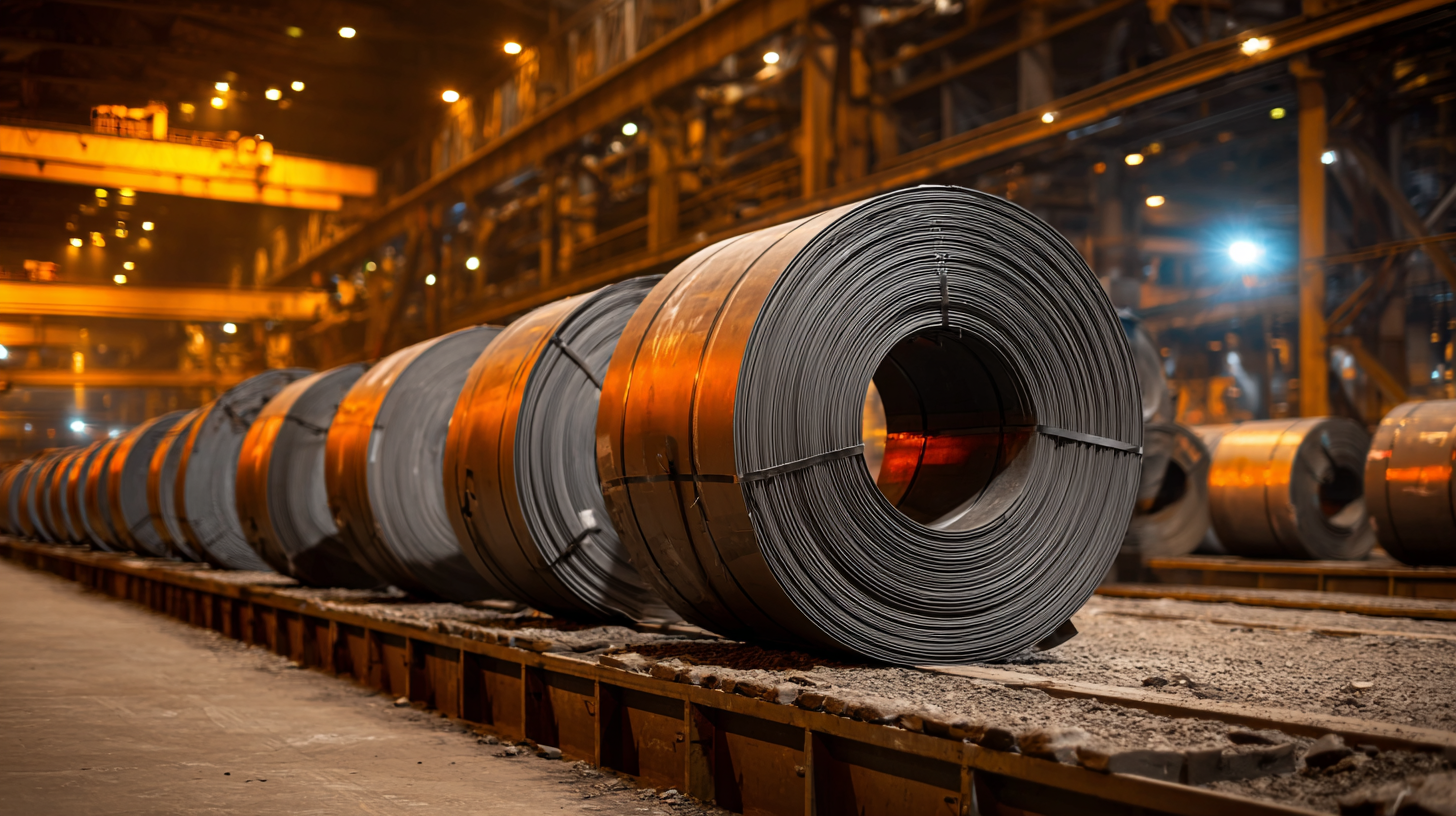 Carbon steel coil strips are renowned for their remarkable durability and strength, making them a preferred choice in various industrial applications. The inherent properties of carbon steel, including its high tensile strength and resistance to wear, contribute to its suitability in manufacturing components that require both resilience and reliability. Applications range from automotive parts to construction materials, underscoring the versatility of carbon steel coil strips in enduring demanding conditions.
Moreover, the ability to tailor the carbon content allows for a customizable balance between ductility and hardness. Lower carbon variants offer greater flexibility, while higher carbon content results in increased rigidity. This adaptability not only enhances performance but also extends the lifespan of products made from carbon steel coil strips. Their robust nature ensures that they can withstand mechanical stresses, environmental factors, and corrosion, thereby reducing maintenance costs and frequency of replacements in industrial settings. Ultimately, the evaluation of carbon steel coil strips reveals their critical role in enhancing productivity and ensuring the reliability of end products across diverse industries.
Best Practices for Maintaining Carbon Steel Coil Strip Longevity
Maintaining the longevity of carbon steel coil strips is crucial for industries that rely on their strength and versatility. According to a report by the American Iron and Steel Institute (AISI), proper maintenance can enhance the lifespan of carbon steel products significantly, potentially doubling their usability under the right conditions. This is particularly important in sectors such as automotive and construction, where carbon steel strips are typically used for various applications including structural components and reinforcement.
To ensure the durability of carbon steel coil strips, regular inspection and preventative maintenance are essential. Industry experts recommend implementing a corrosion protection strategy, such as applying protective coatings or using inhibitors, to mitigate environmental wear. A study published in the Journal of Materials Engineering and Performance indicates that when protective measures are taken, the rate of corrosion can be reduced by up to 70%. Furthermore, ensuring that these materials are stored in climate-controlled environments can prevent oxidation, thus preserving their structural integrity. By adhering to these best practices, industries can maximize the efficiency and performance of their carbon steel coil strips, leading to reduced costs and improved production timelines.
Comparing Carbon Steel Coil Strip with Alternative Materials and Coatings
When comparing carbon steel coil strip with alternative materials and coatings, it’s essential to consider both durability and application suitability. Carbon steel coil strip is renowned for its inherent strength and flexibility, making it a preferred choice in various industries. Its excellent formability, especially after processes like cold rolling and annealing, enhances its effectiveness for applications requiring precise shaping and bending. This treatment not only prepares the steel for better mechanical performance but also allows it to withstand corrosion, particularly when paired with additional coatings like tin plating for food packaging.
Contrasting carbon steel with other materials, such as stainless steel or aluminum, reveals distinct advantages and limitations. While stainless steel boasts superior corrosion resistance, it can lack the ductility and cost-effectiveness that carbon steel offers. On the other hand, aluminum is lightweight and resistant to corrosion but may not match the strength required for heavy-duty applications. Additionally, advanced surface technologies have emerged to improve the performance of carbon steel in industrial environments, minimizing issues like coke formation in high-temperature processes. These developments help maintain the structural integrity of carbon steel, making it a competitive option against other materials in specific applications.