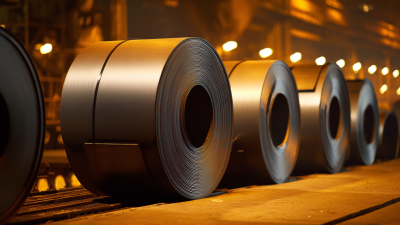
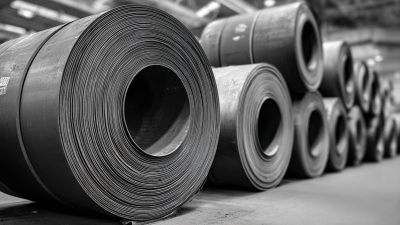
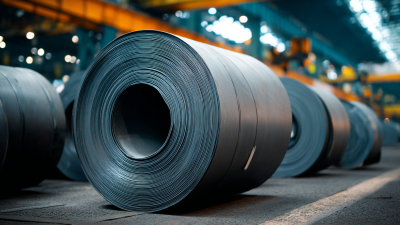
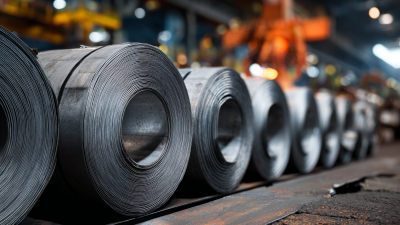
Exploring the Benefits of Carbon Steel Coil Cold Roll in Modern Manufacturing Practices
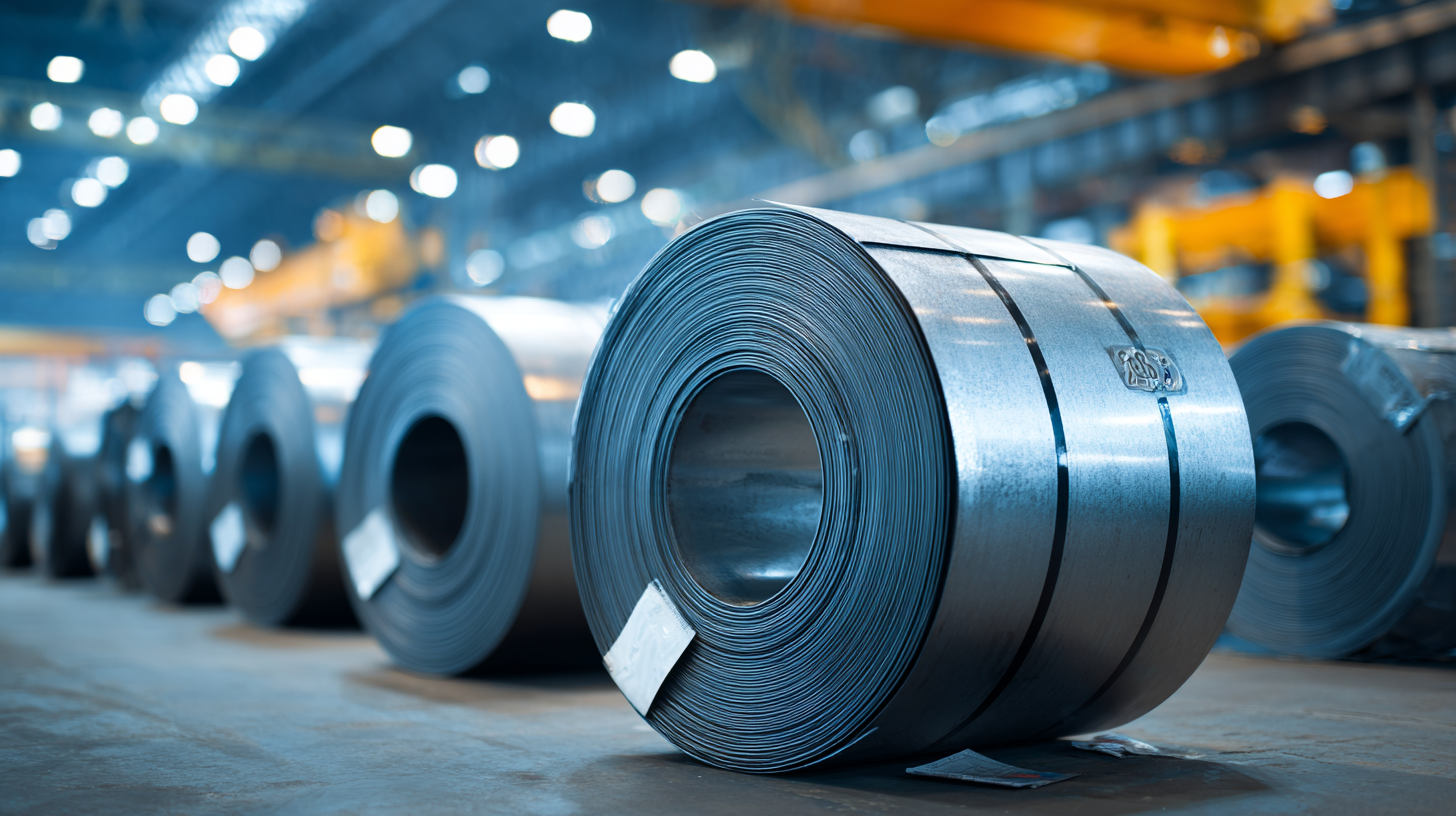 The use of Carbon Steel Coil Cold Roll has become increasingly vital in modern manufacturing practices, driven by its exceptional mechanical properties and versatility. According to a report by the World Steel Association, the global demand for cold-rolled steel products is projected to grow by 4.2% annually, highlighting the material's significance in industries such as automotive, construction, and appliances.
Carbon Steel Coil Cold Roll offers enhanced strength and surface finish, making it ideal for applications where precision and durability are paramount. Additionally, the cold rolling process plays a crucial role in lower production costs while improving the material's dimensional accuracy. As manufacturers seek to optimize their operations and meet stringent quality standards, understanding the benefits of Carbon Steel Coil Cold Roll is essential for staying competitive in the evolving market landscape.
The Unique Properties of Carbon Steel Coil Cold Roll and Their Impact on Manufacturing Efficiency
Carbon steel coil cold roll is revolutionizing modern manufacturing with its unique properties that significantly enhance operational efficiency. One of the standout characteristics of this material is its superior strength-to-weight ratio, making it ideal for a variety of applications where both durability and lightness are critical. The precision of the cold rolling process also yields a smooth surface finish and tighter tolerances, which can reduce the need for additional machining, thereby streamlining production workflows. This improved dimensional accuracy directly translates to lower material wastage and enhanced final product quality.
Tips: When incorporating carbon steel coil cold roll into your production processes, consider investing in high-quality rolling equipment to maximize the benefits of its properties. Additionally, ensure that your team is well-trained in handling this specific material, as proper techniques can prevent common issues associated with cold rolling, such as warping or cracking.
Another significant advantage of carbon steel coil cold roll is its excellent formability. The material can be easily shaped and molded without compromising its structural integrity, making it a versatile option for various manufacturing sectors. This flexibility allows manufacturers to innovate with designs and applications, potentially opening new markets. By leveraging these unique properties, manufacturers can achieve higher efficiency levels and meet the evolving demands of modern industries.
Tips: Explore different coating options to enhance the corrosion resistance of carbon steel coil cold roll, ensuring that your products maintain their quality in diverse environments.
Exploring the Benefits of Carbon Steel Coil Cold Roll in Modern Manufacturing Practices - The Unique Properties of Carbon Steel Coil Cold Roll and Their Impact on Manufacturing Efficiency
| Property |
Description |
Impact on Manufacturing Efficiency |
| Strength |
High tensile strength allows for thinner materials with greater durability. |
Reduces material usage and costs while maintaining quality. |
| Ductility |
Ability to be drawn into wires or formed into various shapes without breaking. |
Enhances versatility in manufacturing processes and product design. |
| Corrosion Resistance |
Can be treated for enhanced resistance to rust and corrosion. |
Improves product longevity, reducing maintenance costs. |
| Cost-Effectiveness |
Lower initial material cost compared to stainless steel and other alloys. |
Optimizes budget for manufacturing projects and enhances profit margins. |
| Machinability |
Easily machined and formed into desired specifications. |
Increases production speed and reduces waste during fabrication. |
Cost-Effectiveness: Analyzing the Financial Benefits of Using Cold Rolled Carbon Steel
Cold rolled carbon steel coil has gained traction in modern manufacturing due to its cost-effectiveness, which plays a pivotal role in optimizing production budgets. According to a recent report by the World Steel Association, cold-rolled steel products can significantly reduce weight without sacrificing strength, leading to lower material costs and improved operational efficiency. This decreases shipping expenses and allows manufacturers to utilize lighter components, which can enhance their product's overall performance and appeal.
Moreover, the durability and reliability of cold-rolled carbon steel contribute to long-term financial savings. A study by the American Iron and Steel Institute indicates that the longevity of cold rolled steel significantly reduces maintenance costs over time. Additionally, its high adaptability for various applications, from automotive parts to construction materials, ensures that manufacturers can leverage cold rolled steel coils across multiple projects without incurring excessive expenses.
Investing in cold rolled carbon steel not only improves immediate financial outcomes but also offers sustainable benefits that resonate across the industry's future.
Enhancing Product Durability: The Role of Cold Rolling in Strengthening Carbon Steel Coils
The cold rolling process plays a crucial role in enhancing the durability of carbon steel coils, making them integral to modern manufacturing practices.
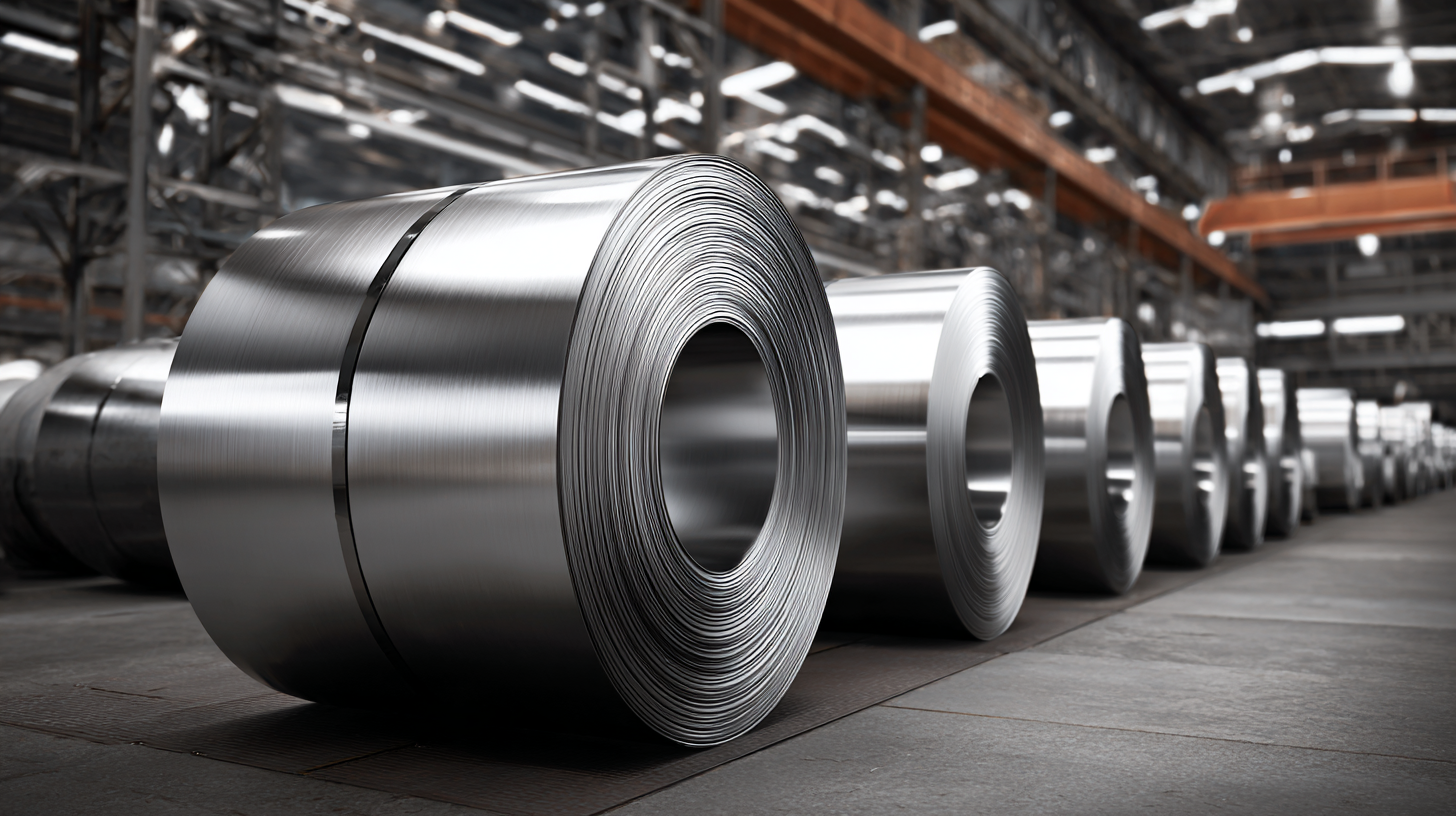 By subjecting low-carbon steel to significant deformation followed by rapid low-temperature annealing, manufacturers can achieve a dual-mode heterostructure that significantly improves yield strength. For instance, studies have shown that Q215 steel demonstrates remarkable strength characteristics after undergoing
30% cold rolling combined with precise annealing at temperatures around 640 °C. This strategic manipulation of the material structure is key to producing high-performance steel that meets the rigorous demands of various industries.
By subjecting low-carbon steel to significant deformation followed by rapid low-temperature annealing, manufacturers can achieve a dual-mode heterostructure that significantly improves yield strength. For instance, studies have shown that Q215 steel demonstrates remarkable strength characteristics after undergoing
30% cold rolling combined with precise annealing at temperatures around 640 °C. This strategic manipulation of the material structure is key to producing high-performance steel that meets the rigorous demands of various industries.
Moreover, the ongoing growth in the global cold rolled coil steel market—from a projected $88.35 billion in 2025 to $134.71 billion by 2032—highlights the increasing reliance on cold rolling techniques for producing robust steel products. This trend is driven by the expanding applications of galvanized steel in building materials, which are favored for their exceptional durability and corrosion resistance. As infrastructure development accelerates worldwide, the importance of cold rolled carbon steel coils in enhancing product longevity and performance becomes increasingly evident, cementing their role as a backbone of modern industrial practices.
Comparative Study: Cold Roll vs. Hot Roll Steel in Various Manufacturing Applications
Cold rolling and hot rolling are two fundamental processes in steel manufacturing, each with distinct advantages that influence their applications across various industries. Cold-rolled steel offers superior surface finish and tighter tolerances when compared to hot-rolled counterparts. According to a report by MarketsandMarkets, the global cold-rolled steel market is expected to reach USD 317.74 billion by 2025, driven by increased demand from automotive and construction sectors, which prioritize material performance and aesthetics.
The applications of cold-rolled steel are particularly advantageous in scenarios where precision and strength are crucial. For instance, in the automotive industry, cold-rolled steel is preferred for components that require a smooth finish and high structural integrity, as detailed in the World Steel Association's data, which indicates a significant increase in the use of cold-rolled products in vehicle manufacturing. Conversely, hot-rolled steel, known for its lower cost, is commonly utilized for structural components and applications where exact specifications are less critical. This differentiation highlights the importance of selecting the appropriate rolling process based on specific manufacturing needs, ultimately impacting overall efficiency and cost-effectiveness in production.
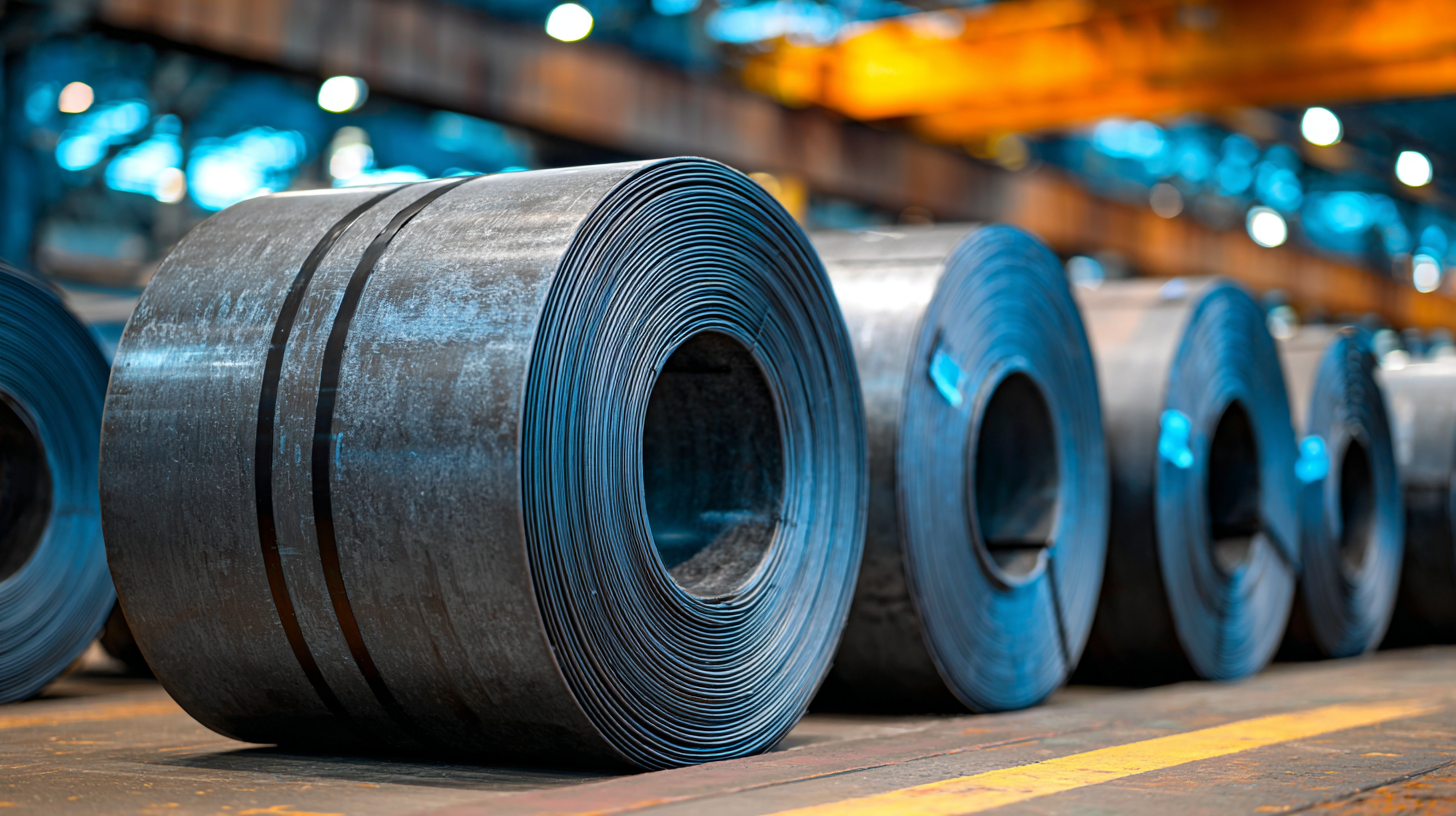
Sustainability in Modern Manufacturing: Carbon Steel Coil Cold Roll as an Eco-Friendly Choice
The global cold rolled coil steel market is expected to witness significant growth, increasing from $88.35 billion in 2025 to $134.71 billion by 2032, with a compound annual growth rate (CAGR) that indicates a robust demand for this versatile material. This growth is largely attributed to its sustainable attributes, making carbon steel coil cold roll an eco-friendly choice in modern manufacturing practices. The efficient production processes associated with cold rolling contribute to lower energy consumption and reduced waste, aligning with the industry's shift towards greener solutions.
Tips: When selecting carbon steel for your projects, consider sourcing from manufacturers that utilize energy-efficient technologies. This not only supports sustainability but also enhances the overall quality of the produced materials.
The shift towards sustainability is evident in recent investments, such as the strategic expansion of a new steel complex that emphasizes eco-friendly practices. The increased focus on reducing carbon footprints within the steel industry is reshaping production methodologies, paving the way for innovative technologies that further enhance the ecological benefits of cold rolled steel.
Tips: Look for certifications or eco-labels when purchasing cold rolled products, as these indicators can help identify manufacturers committed to sustainable practices.
Exploring the Benefits of Carbon Steel Coil Cold Roll in Modern Manufacturing
This chart illustrates various benefits of using carbon steel coil cold roll in modern manufacturing practices. The data indicates that cost efficiency and durability are among the highest rated benefits, followed closely by sustainability and recyclability, making it an eco-friendly choice for manufacturers.